3 hr 30 min
Nada Sake District Walking Tour with Tastings
- Expert local guide
- Small group
- Skip-the-line access
- Free cancellation
Kobe Sake Tour — Nada District Breweries & Tasting
Walk the district that brews a quarter of Japan's sake, taste centuries of craft at the source
Compare fares, pick the fit — all bookings are mobile-voucher and eligible for free cancellation where shown.
3 hr 30 min
3 hr
5 hr 30 min
| Experience | Duration | Rating | Skip-the-line | Guide | Small group | Free cancel. | Price | |
|---|---|---|---|---|---|---|---|---|
|
Guided Experience
Most popular
Nada Sake District Walking Tour with Tastings
|
3 hr 30 min | ★ 4.9 | ✓ | ✓ | ✓ | ✓ | €92 | Book → |
|
Standard Entry
Nada Sake District: Three-Brewery Tasting Experience
|
3 hr | ★ 4.7 | — | ✓ | — | ✓ | €75 | Book → |
|
Standard Entry
Nada Gogo Sake District: 5-Brewery Discovery Tour
|
5 hr 30 min | ★ 5.0 | — | ✓ | ✓ | ✓ | €131 | Book → |
Hand-picked experiences loved by thousands of travelers
3 hours
Free Cancellation
Discover Kobe's legendary brewing quarter through visits to three renowned sake houses with guided tastings
6 hours
Free Cancellation
Discover Japan's premier sake-making region with a knowledgeable guide through historic breweries and museums
4.5 hours
Free Cancellation
Experience Kobe's brewing heritage, bustling Chinatown, and waterfront landmarks on this guided walking adventure
3.5 hours
Free Cancellation
Explore Kobe's legendary brewing neighborhood and sample traditional rice wines at historic cellars
1 day
Free Cancellation
Discover Kobe's brewing traditions, colonial architecture, and elegant coffee culture on this relaxed day trip
4 hours
Free Cancellation
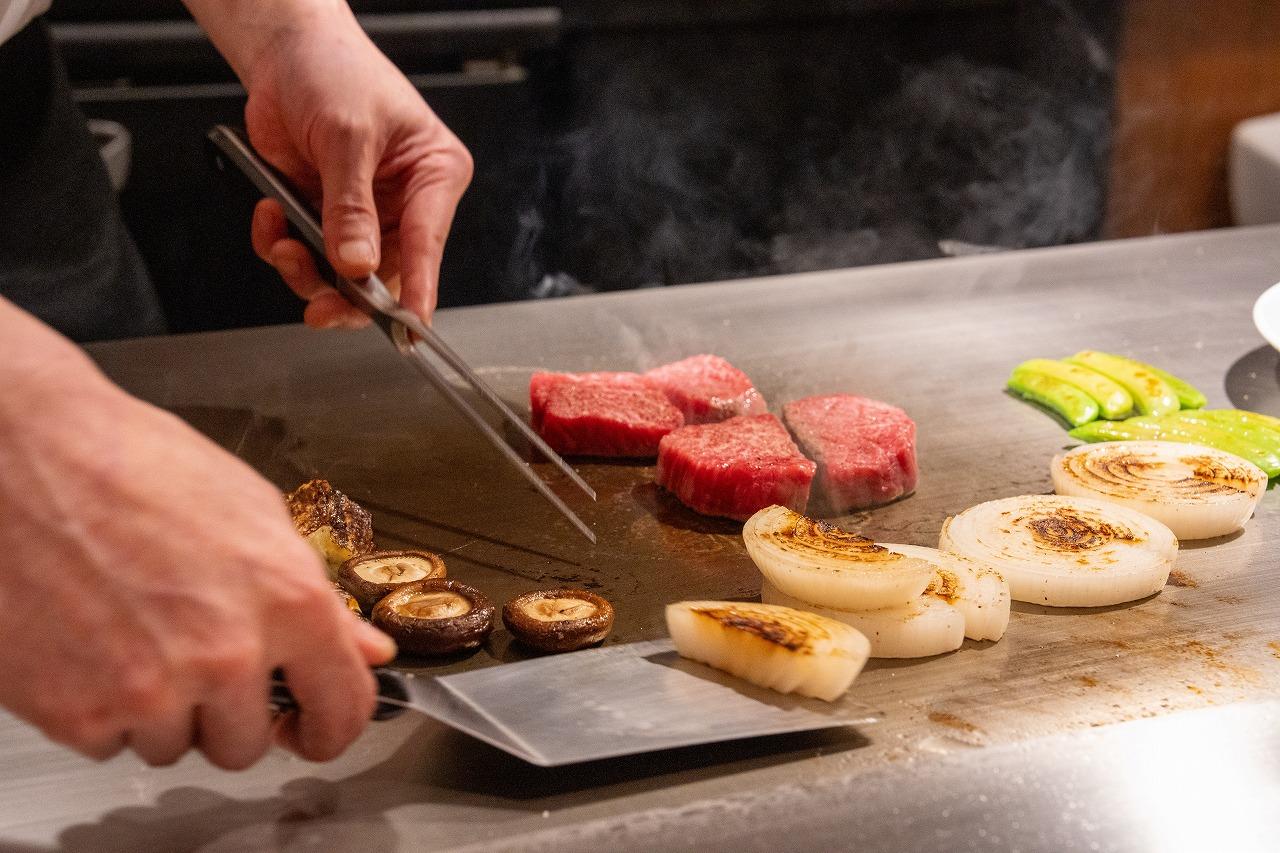
Savor world-class wagyu and explore traditional breweries with a local guide in historic Kobe
10 hours
Free Cancellation
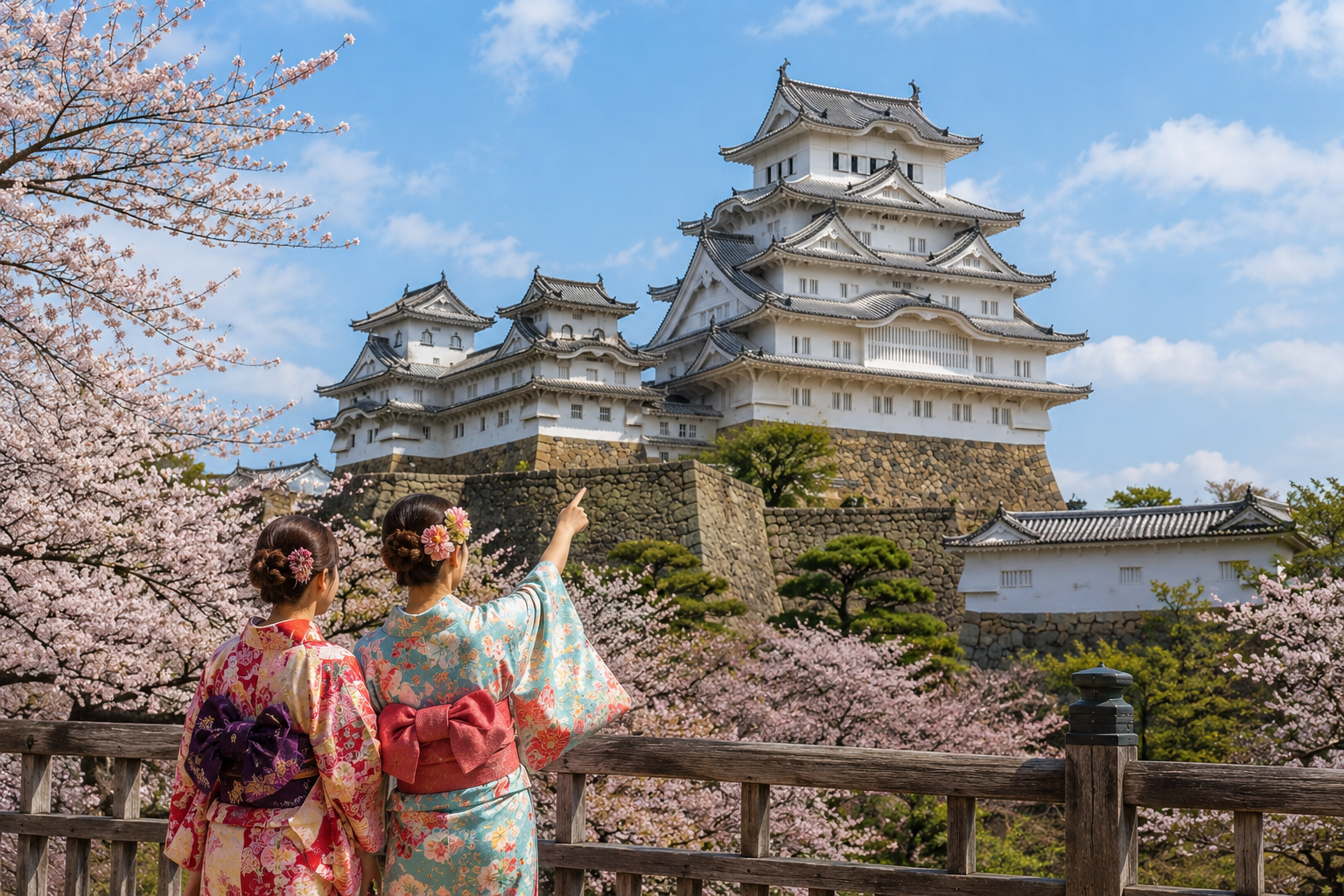
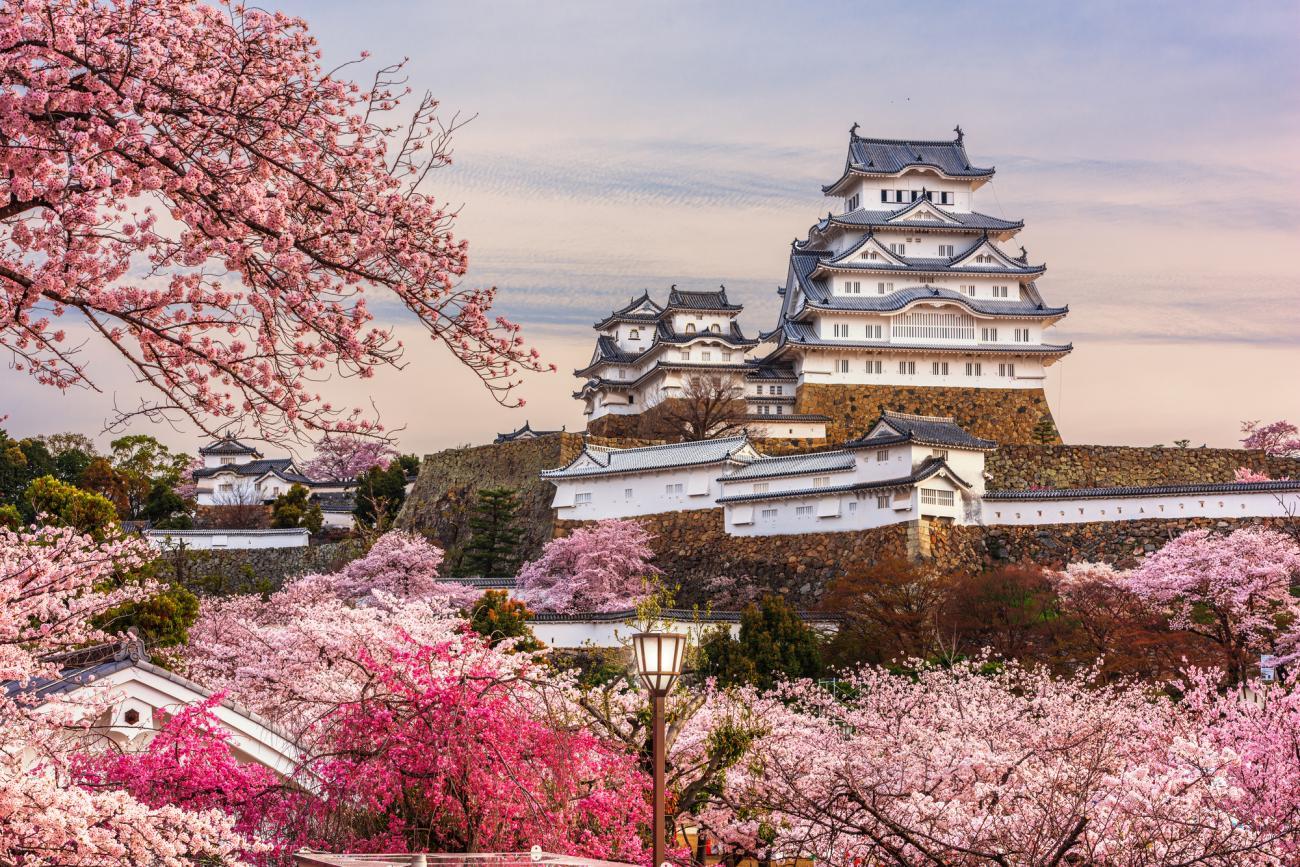
Discover feudal-era castles, serene gardens, and vibrant waterfront districts on this immersive 10-hour journey
1 day
Free Cancellation
Explore Japan's finest castle, a sacred mountain temple, and Kobe's modern waterfront in luxury comfort
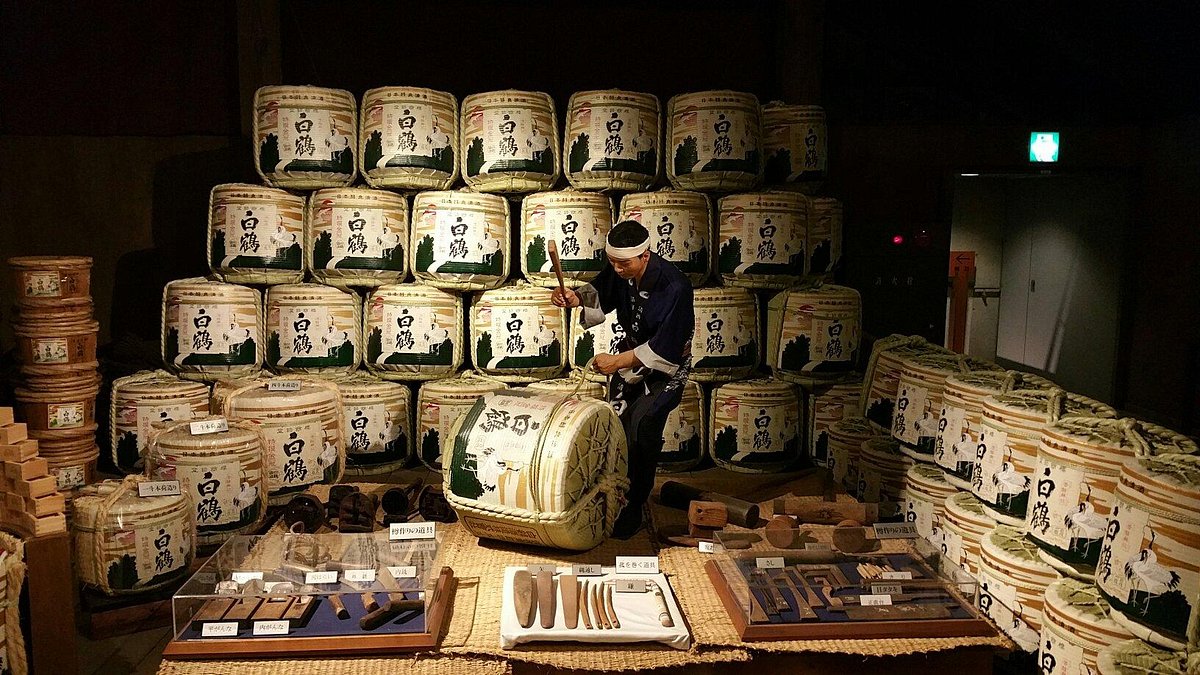
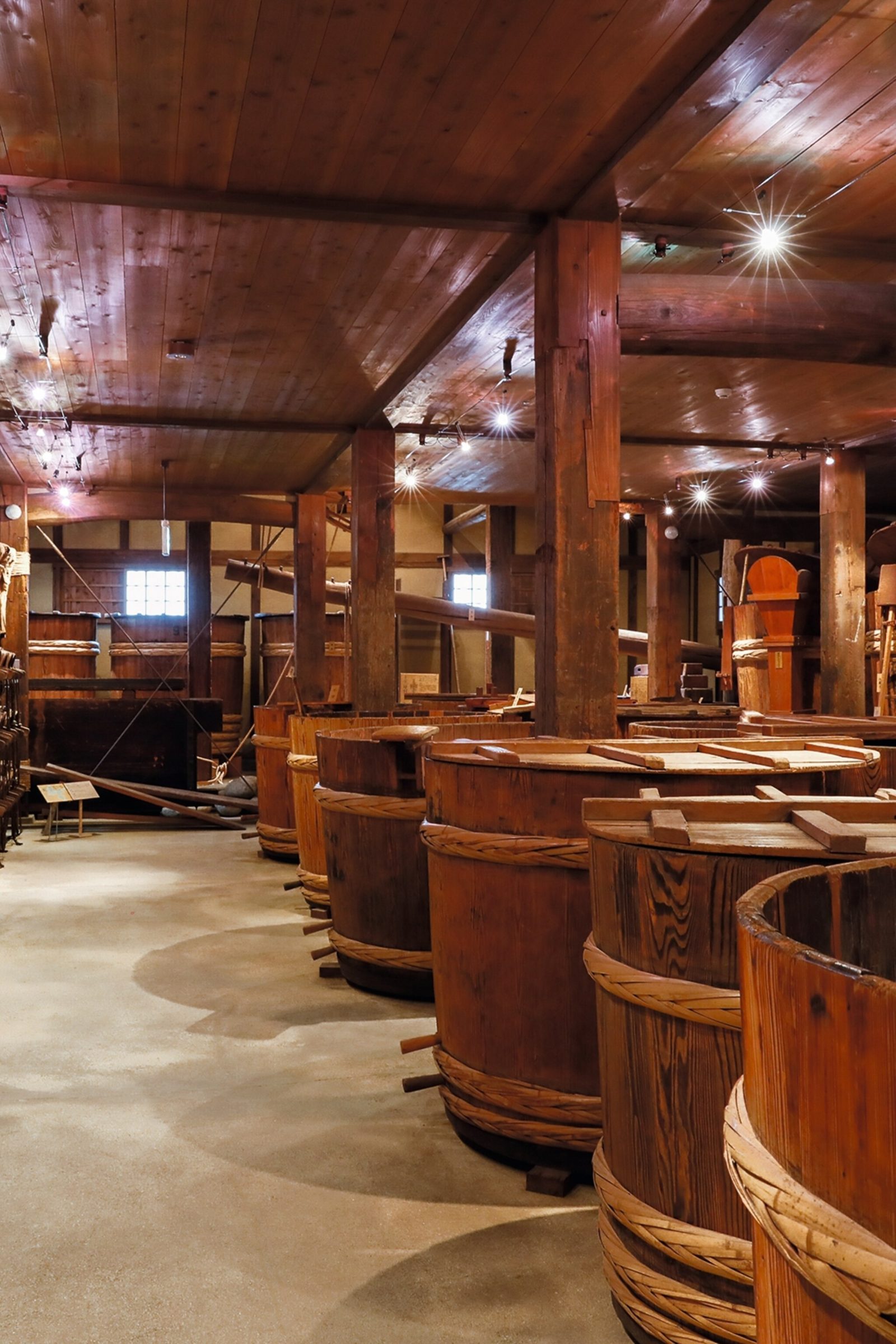
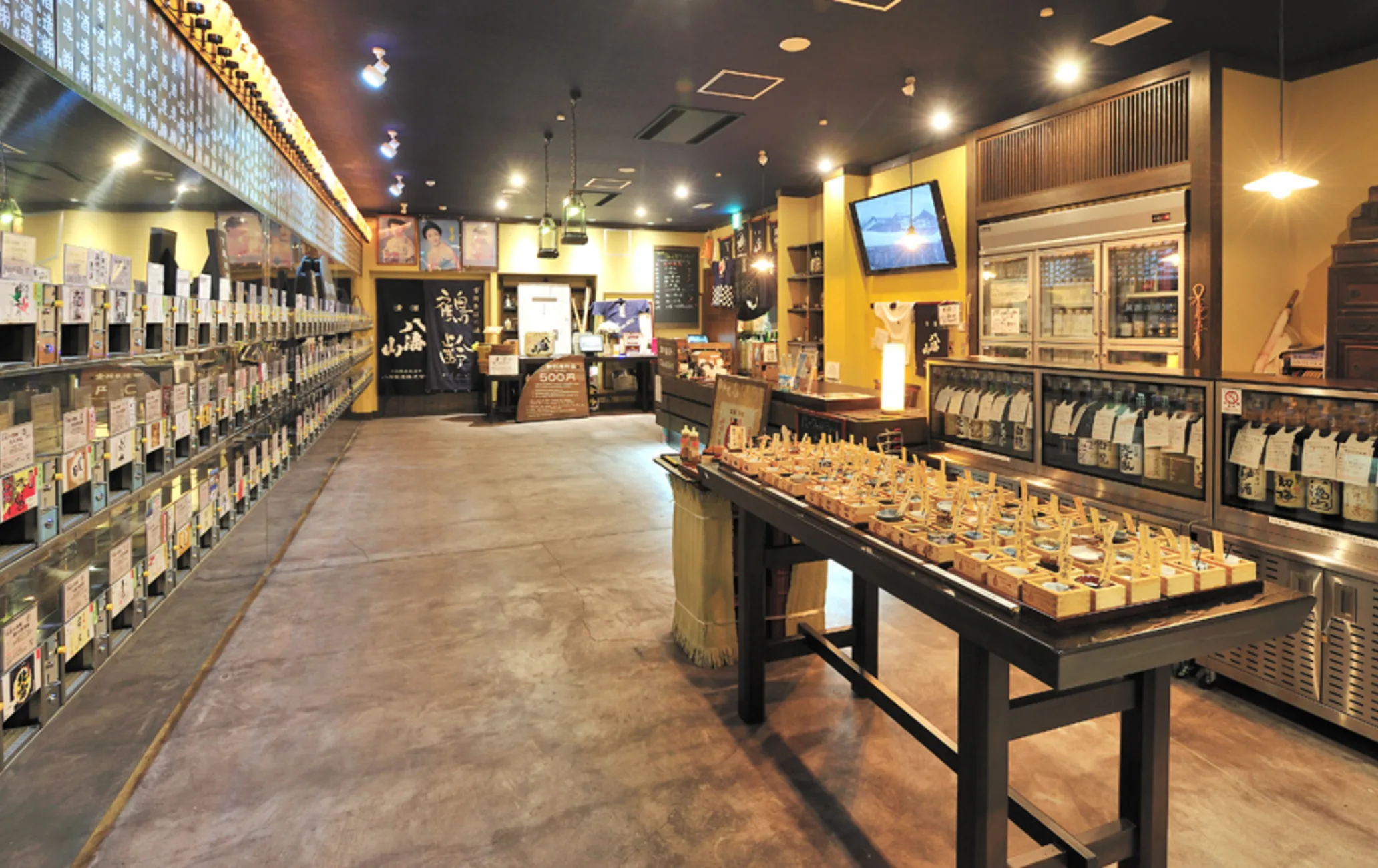
Explores traditional brewing with life-sized figures in a preserved facility.
Exhibits national important folk cultural properties in a historic setting.
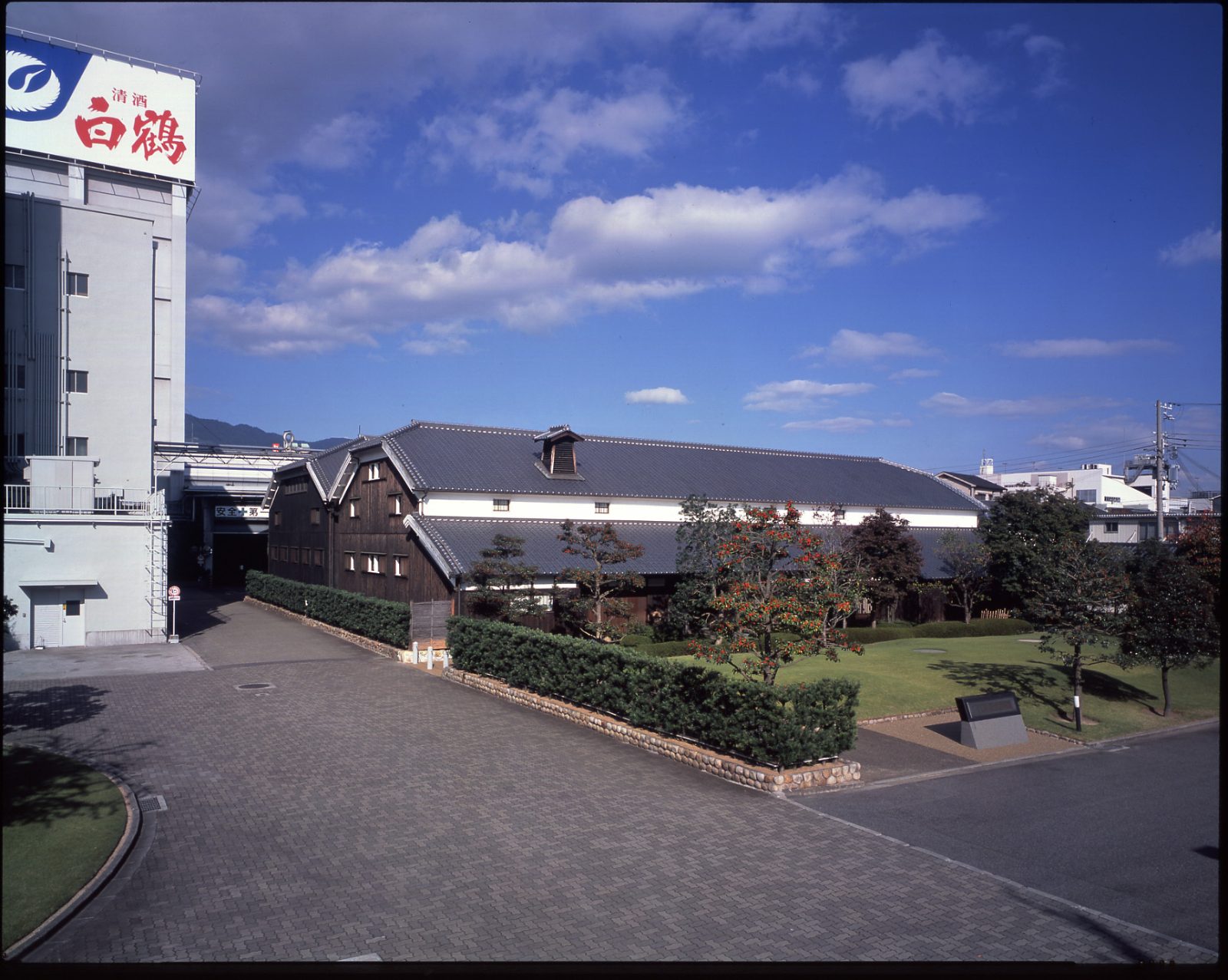
Housed in an Edo-era brewery building with 300 years of history.
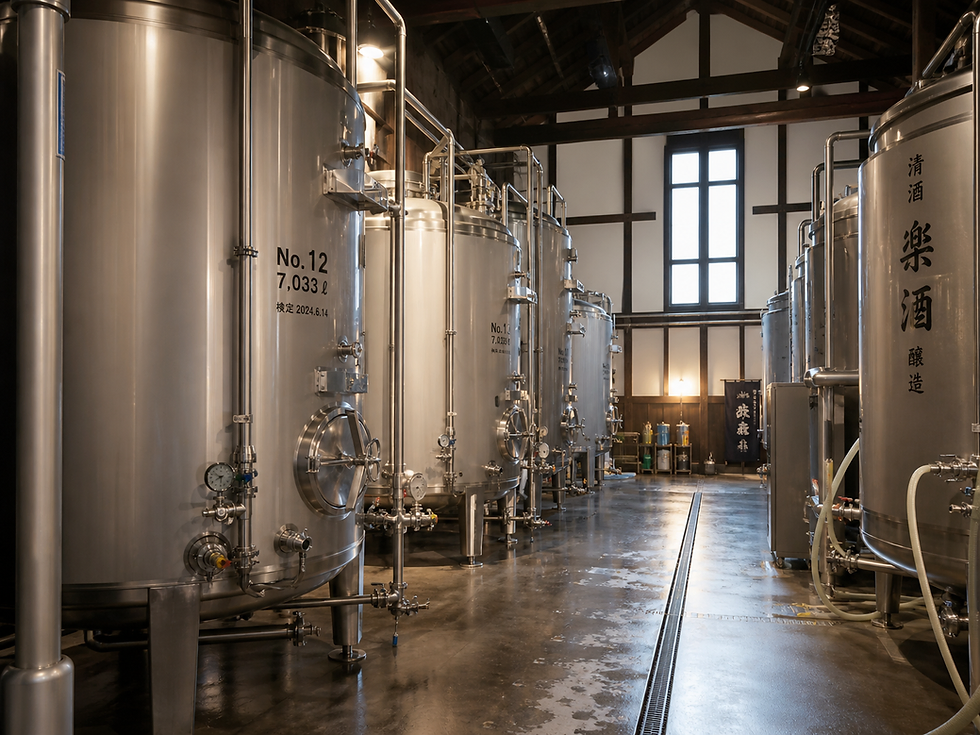
Offers a unique view of the modern sake fermentation process.
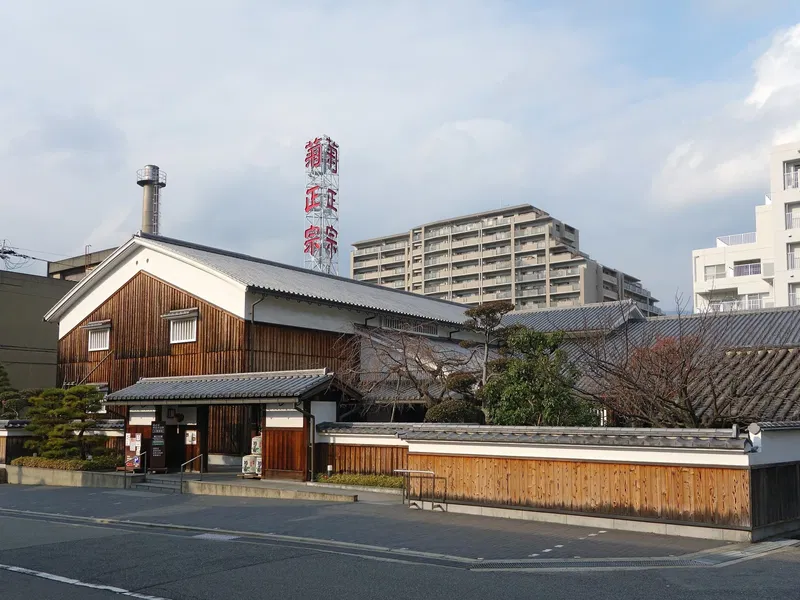
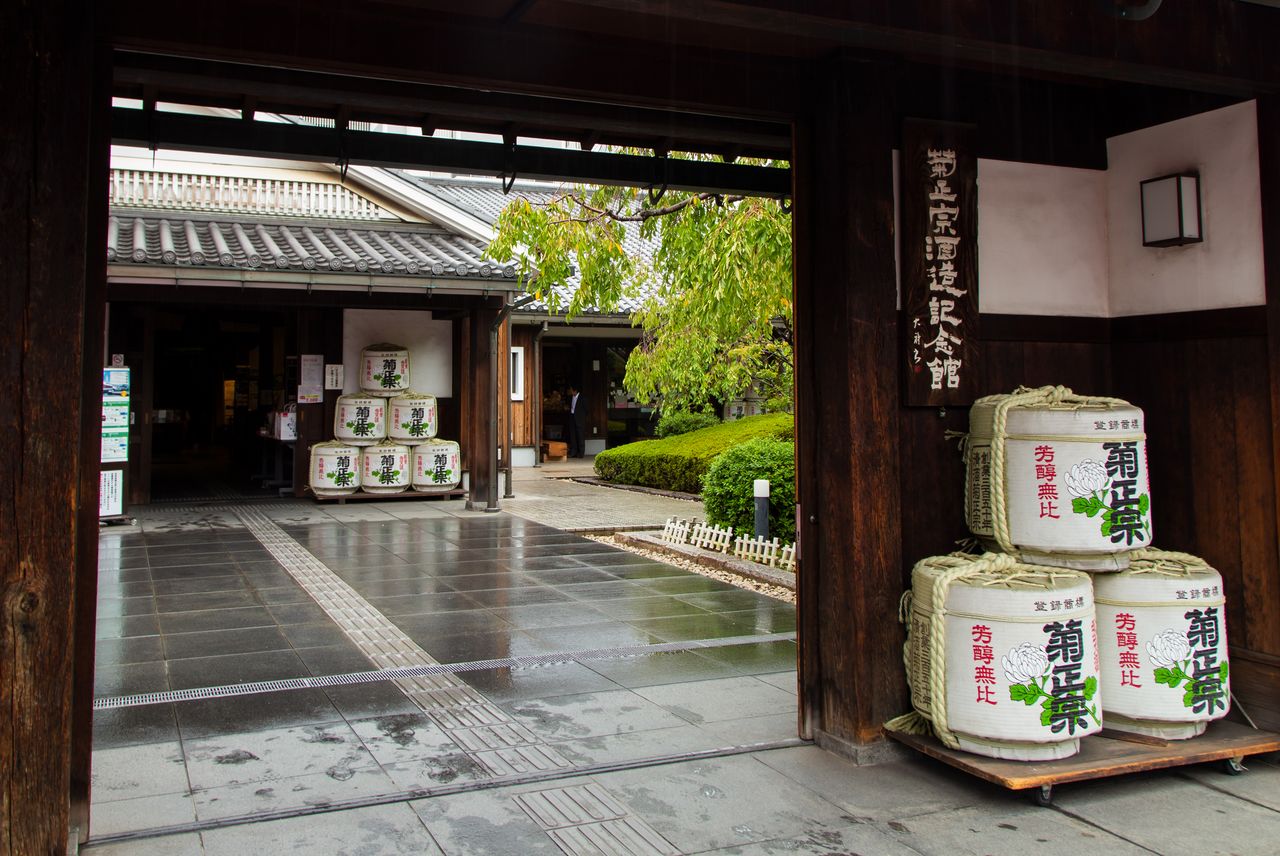
Marks the birthplace of the famous Masamune sake brand.
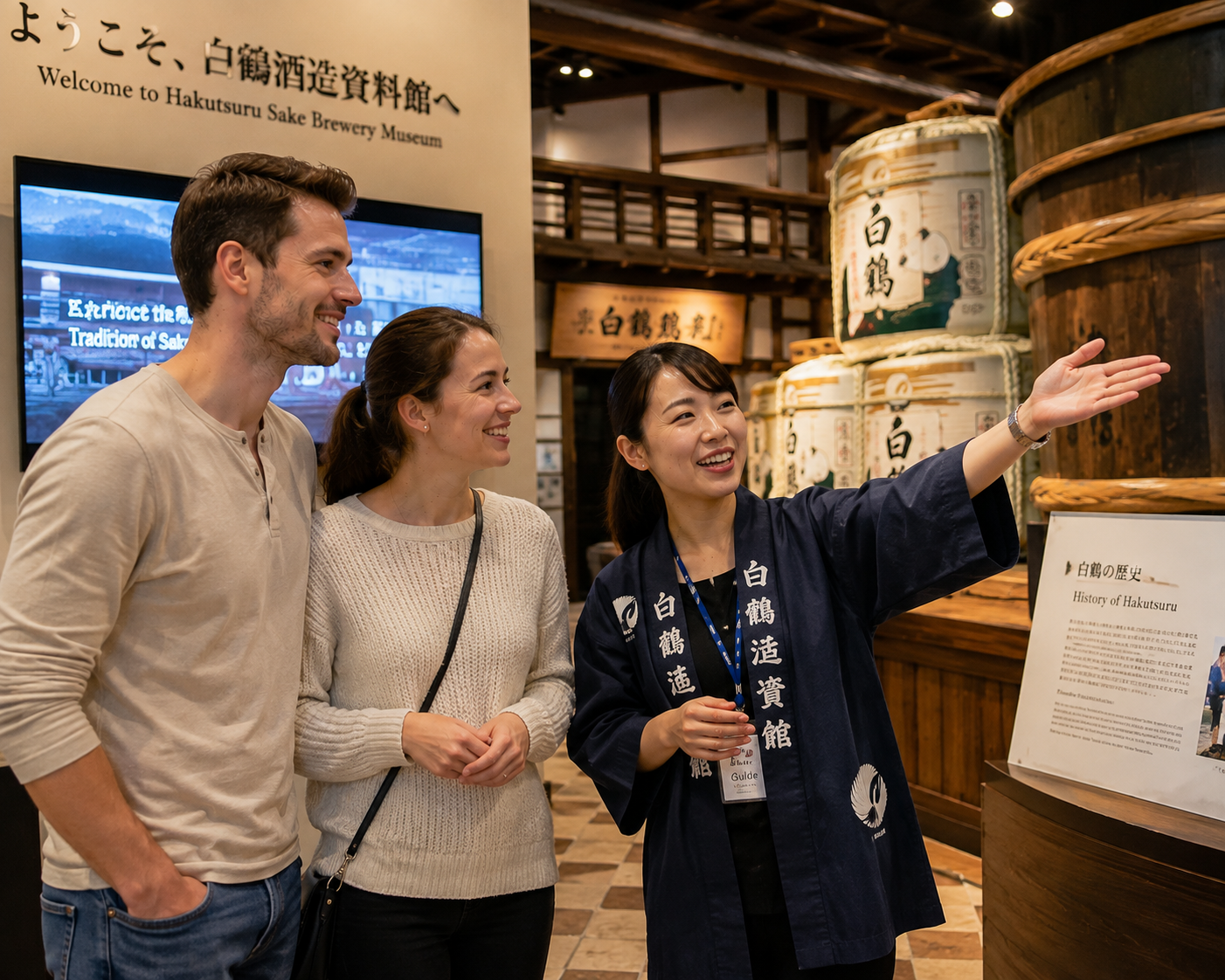
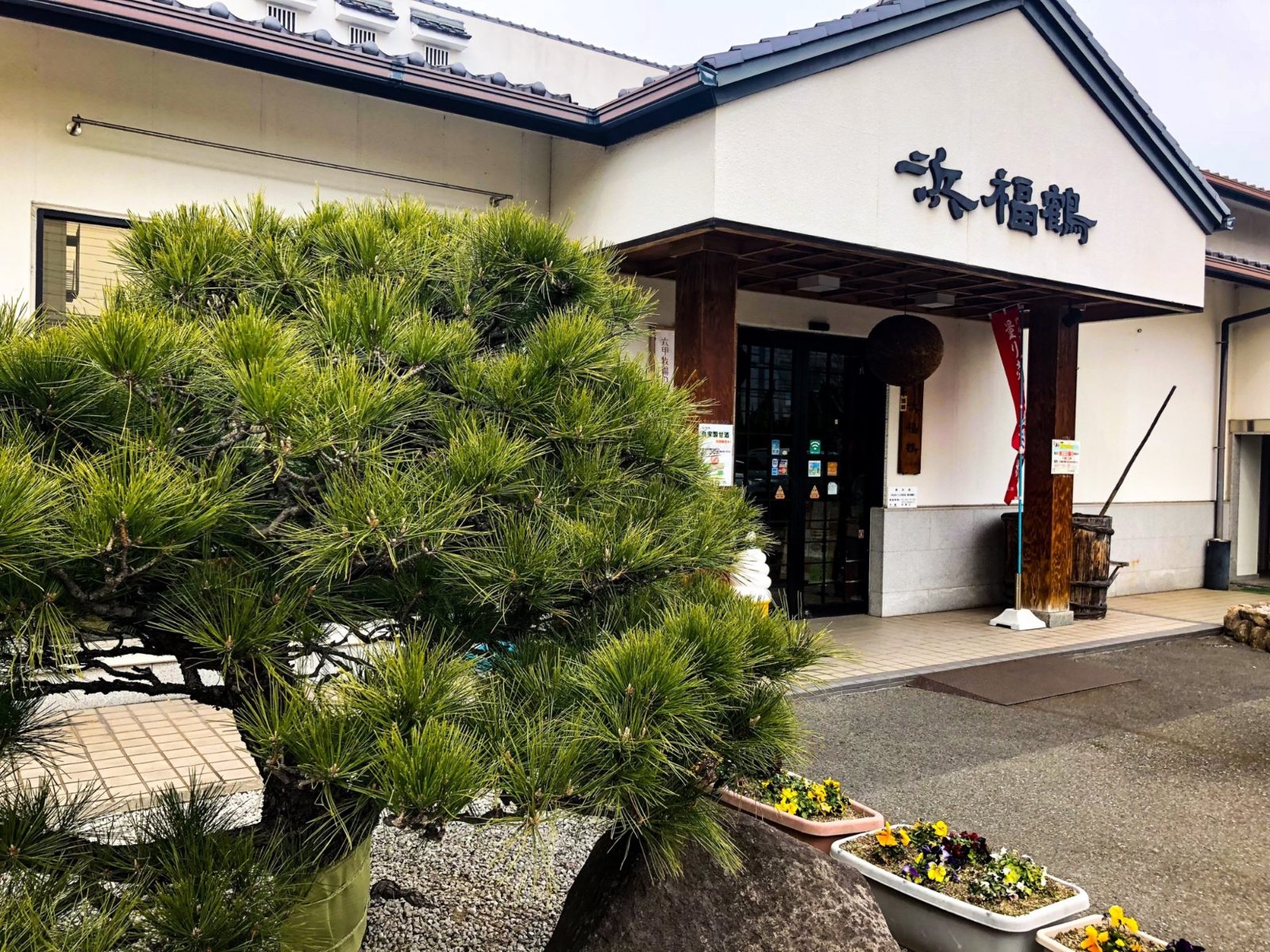
You step off the train at Uozaki Station and follow signs toward Hakutsuru Sake Brewery Museum, a five-minute walk through a quiet residential street. The museum entrance opens into a dim wooden hall where the air smells faintly of rice and cedar.
You move past glass cases displaying antique wooden paddles, ceramic jars, and faded indigo aprons, then reach a full-scale replica fermentation room with waist-high tanks and explanatory panels in English.
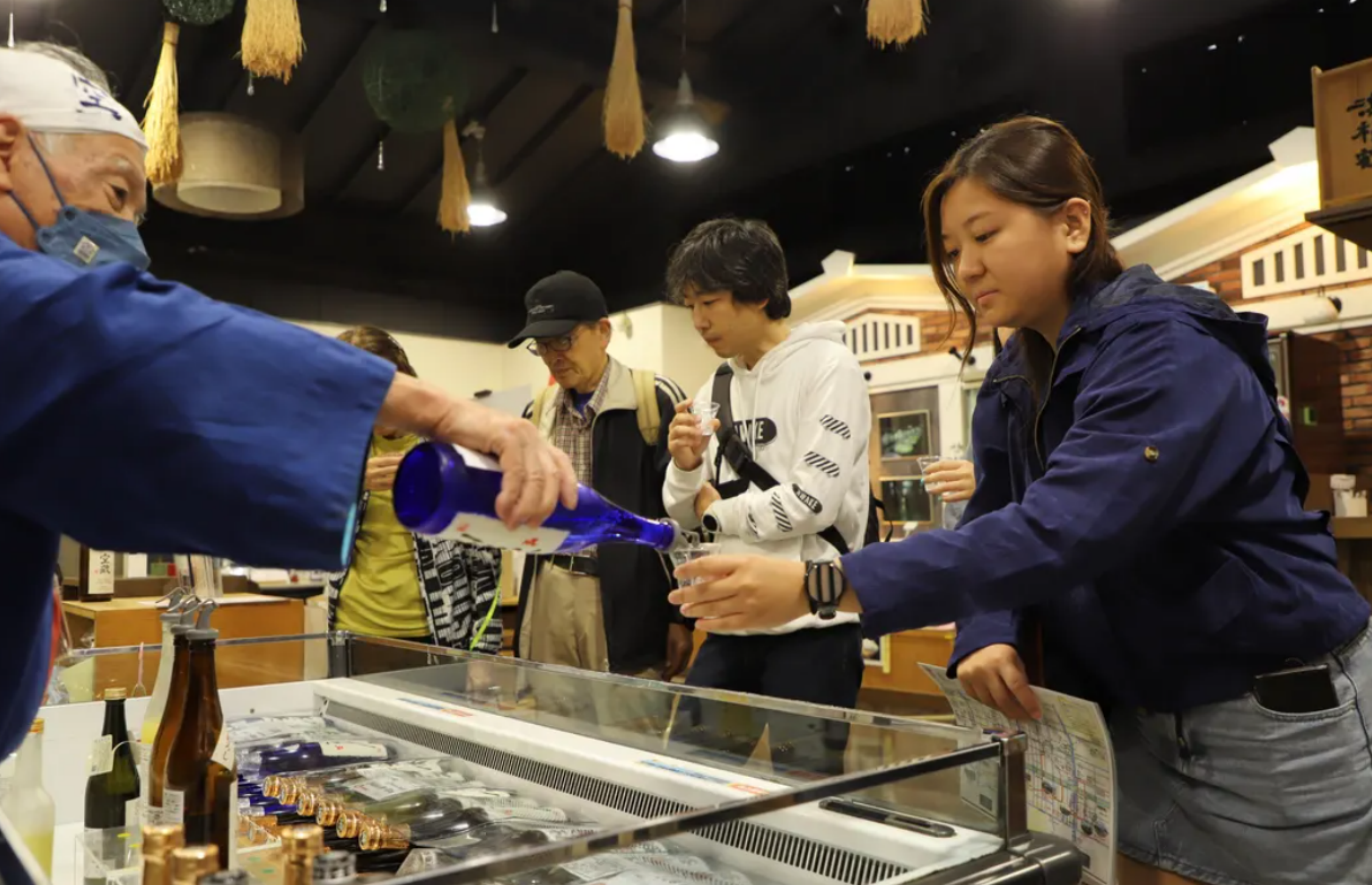
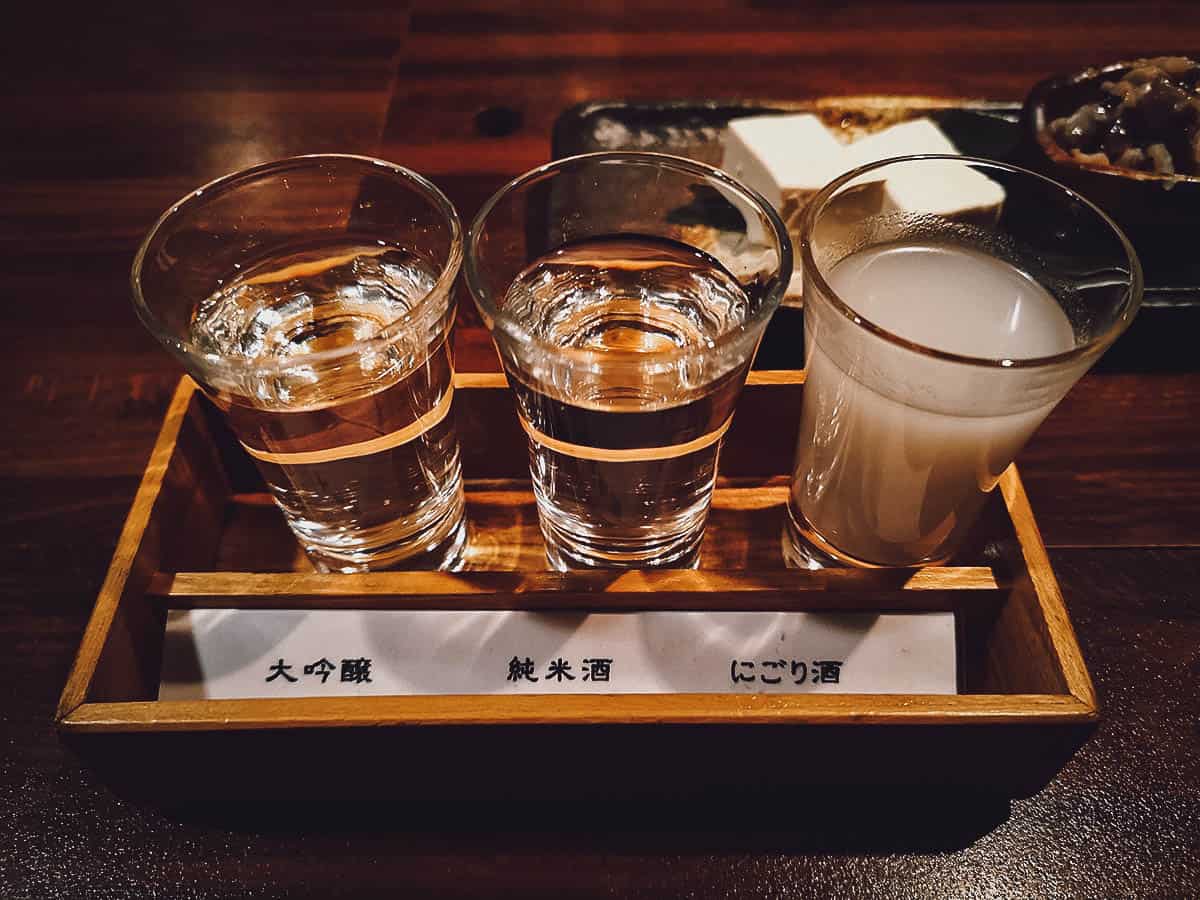
At the tasting counter near the exit, staff pour three samples — a junmai, a ginjo, and a limited-edition daiginjo — and explain the polishing ratio printed on each label. You sip slowly, noting the shift from savory to floral as the rice grain shrinks. A small shop beside the counter sells bottles, sake cups, and packets of sakekasu face cream.
You walk ten minutes east along the old Tokaido road to Kobe Shushinkan, where a courtyard garden leads to a two-story gallery. Upstairs, backlit diagrams explain koji mold cultivation and yeast fermentation. Downstairs, you join a guided sake tasting that includes five pours paired with tasting notes on acidity, sweetness, and finish. You leave with a small ceramic cup and a clearer sense of how miyamizu water shapes Nada's signature dry profile.
All the details about your upcoming adventure in one place
The Nada Sake District produces over 30% of Japan's premium sake, with breweries using mineral-rich Miyamizu spring water and Yamada Nishiki rice. This kobe sake tour visits three historic breweries where you'll taste junmai, ginjo, and daiginjo varieties while learning fermentation techniques from toji master brewers. Kobe sake tour tickets include guided tastings, brewery access, and a souvenir cup.
Nada District in eastern Kobe produces more than 25 percent of Japan's sake, a concentration unmatched anywhere in the country.
Five adjoining neighborhoods — collectively known as Nada-Gogo — stretch along a narrow coastal plain between Mount Rokko and Osaka Bay, where mineral-rich miyamizu spring water, cold winter winds descending from the peaks, and proximity to Hyogo's rice paddies created ideal conditions for large-scale brewing by the Edo period. By the late 19th century, Nada breweries were shipping sake to Tokyo aboard fast cargo vessels, and the district's reputation for clean, dry styles solidified.
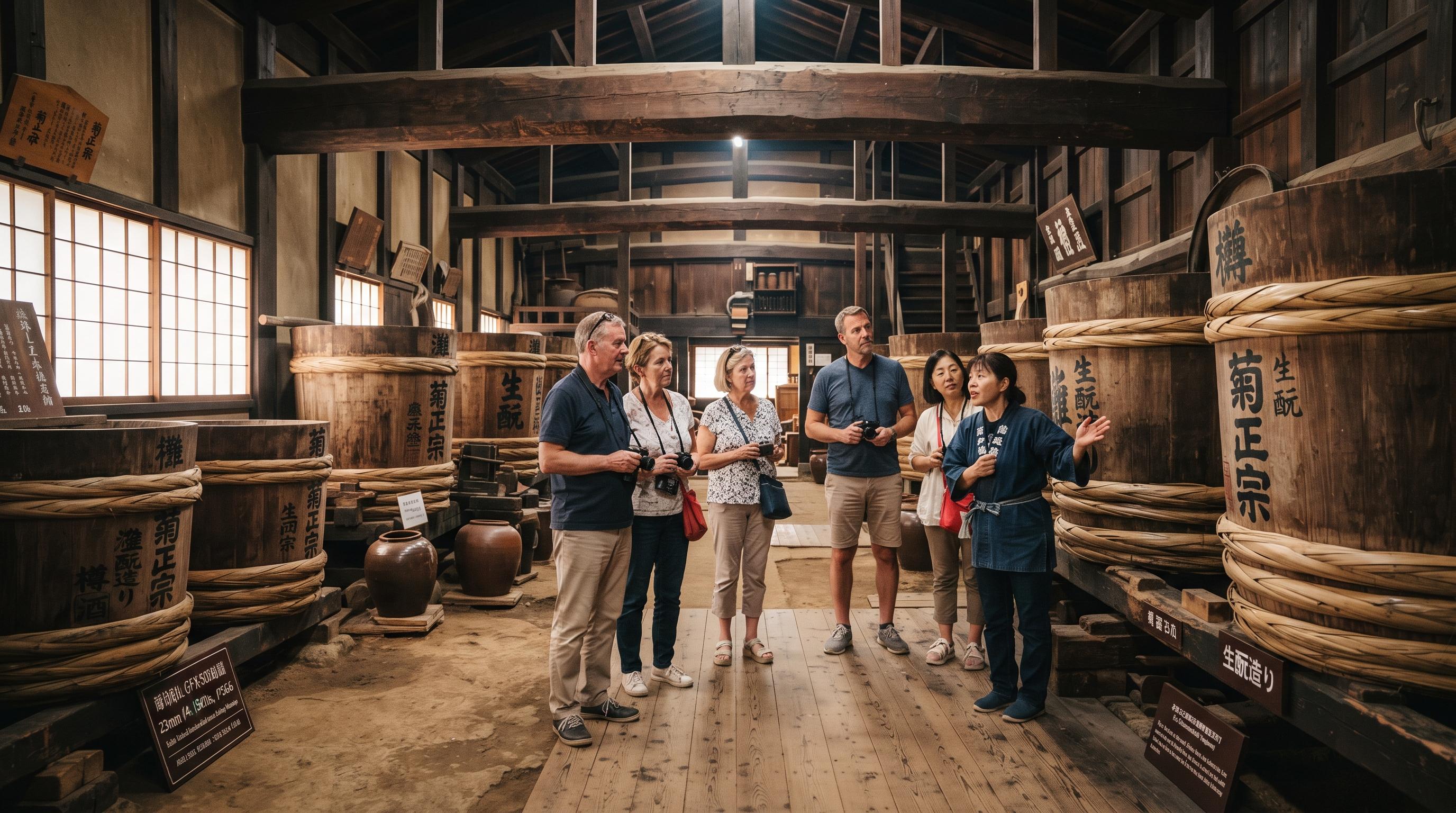
Today a kobe sake tour through Nada reveals working breweries alongside museum spaces that preserve wooden fermentation tanks, antique koji rooms, and century-old pressing equipment. Hakutsuru Sake Brewery Museum occupies a restored wooden storehouse where visitors trace the brewing process from rice polishing to bottling, while Kobe Shushinkan offers galleries dedicated to the science of fermentation and the role of toji master brewers. Sawanotsuru and Kikumasamune maintain adjacent museums with tasting counters where staff pour selections from their current lineup, including junmai and ginjo grades rarely exported. Each facility opens free of charge, a gesture rooted in the district's identity as a living industrial quarter rather than a heritage park.
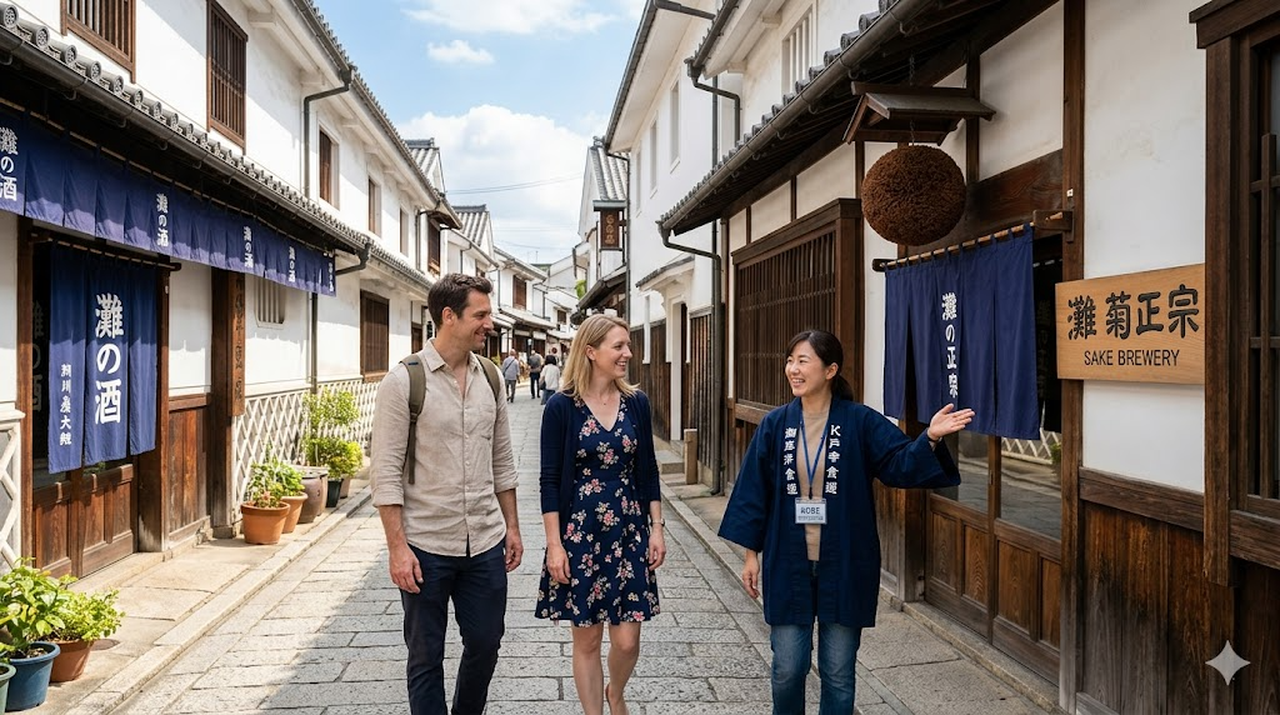
The breweries cluster within a two-kilometer corridor along the old Tokaido road, close enough to visit several in a morning. Architectural traces of Nada's commercial peak remain: low-slung warehouse facades clad in white plaster, narrow loading alleys, and occasional stone-lined canals that once supplied brewing water. Modern production happens in steel-clad plants nearby, but the museum buildings retain their original timber frames and earthen floors. Sake tasting in Nada follows a structured rhythm — staff present three to five samples in ascending order of polish ratio, explain the yeast strain and rice variety, and offer small crackers to reset the palate. The experience centers on comparison rather than volume, and visitors leave with a functional vocabulary for evaluating sake.
A kobe sake brewery visit pairs naturally with a walk through Higashinada's residential blocks, where small shops sell sake lees paste, brewing yeast soap, and ceramic ochoko cups. The district remains a working neighborhood, its breweries embedded in daily commerce rather than isolated as attractions. Seasonal brewing begins in October and runs through March, when the smell of steamed rice drifts from vents along the main road and fermentation tanks hum audibly inside the museum halls.

Nada District produces more than a quarter of Japan's sake, a concentration unmatched anywhere in the country.
Casual attire is suitable for this kobe sake tour. Comfortable walking shoes are recommended as you will be exploring the Nada Sake District on foot.
Most museums provide coin lockers for your convenience. Please store large bags before beginning your kobe sake tour.
Photography is generally permitted in public museum areas. Avoid using flash inside historical brewery sections during your kobe sake tour.
Families are welcome, though children under the legal drinking age cannot participate in tasting. Interactive exhibits make this a family-friendly kobe sake tour destination.
Most facilities within the Nada Sake District have made efforts to improve accessibility. Wheelchair-accessible paths and elevators are available at major museums on your kobe sake tour.
On-site restaurants are available at several brewery locations. Consumption of outside food is restricted on your kobe sake tour.
Opening hours
09:30–16:30
Address
Nada-Gogo, Higashinada-ku, Kobe City, Hyogo Prefecture
Accessibility
Wheelchair accessible facilities available at most museums
Arrival
09:30–15:00 — Avoid mid-afternoon crowds and allow sufficient time for museum tours before closing.
Storage
Coin lockers available at major brewery museums
Navigation
Walking distance between central breweries
Public transport · 20 min from Osaka · Free
Take the Hanshin Line to Uozaki Station for direct access to the district.
Walk · 3–10 min between spots · Free
Use the well-marked paths to navigate between breweries.
Entry to major museum facilities in the district is 0 JPY. No tickets or cancellation policies apply for general museum access.
Recommended time
3-4 hours
A well-paced kobe sake tour allows you to explore multiple breweries in the Nada-Gogo, Higashinada-ku, Kobe City, Hyogo Prefecture area without rushing. Arriving early ensures you can experience the traditional fermentation process and rice milling exhibits with minimal wait times. While you do not need kobe sake tour tickets for most museum facilities, visiting outside of the peak lunch rush helps maintain a relaxed atmosphere. This Nada Sake District experience is best completed when you allow sufficient time to appreciate the craftsmanship behind each master brewer's output.
Crowd levels through the day
Weather · crowds · average price — dots go green to amber to red as each metric rises.
Cool temperatures and active brewing season offer an immersive kobe sake tour experience.
Mild weather is ideal for walking between museums on your kobe sake tour.
Expect warm days and limited crowds during this kobe sake tour season.
Comfortable climate perfect for outdoor strolls through the historic brewery district.
Visit early to complete your kobe sake tour before the 16:30 closing time.
Focus on two to three breweries rather than trying to visit all sites.
Use the official Nada brewery map for the most efficient kobe sake tour path.
Some working breweries require advance booking for tours.
Hanshin Line stations provide the easiest transit for your kobe sake tour.
The Nada region of Kobe emerged as Japan's premier sake-producing district during the Edo period, when five villages—collectively known as Nada-Gogo—capitalized on a rare convergence of natural advantages. By the late 1600s, brewers had identified 'Miyamizu,' iron-rich groundwater flowing from the Rokko Mountains, as the catalyst that produced sake of unprecedented clarity and fermentation stability. This mineral profile, high in phosphorus and potassium yet low in manganese, accelerated koji enzyme activity and became the technical foundation of what would dominate the kobe sake tour market for three centuries. Geographic proximity to Osaka Bay enabled Nada breweries to dominate Edo-period distribution through 'Taru Kaisen' cargo ships, which transported sake in wooden barrels directly to Edo (modern Tokyo). By 1840, Nada supplied over seventy percent of the capital's sake, a monopoly enforced by maritime speed and the district's mechanized rice-polishing mills powered by swift mountain streams. The arrival of rail in 1874 preserved this logistical edge even as wooden ships declined. Brewers like Sakura Masamune and Hakutsuru, founded in the 1600s and 1700s respectively, industrialized production while maintaining reliance on 'Toji' master brewers from the Tanba region, whose winter migration to Nada became a seasonal institution. The Great Hanshin Earthquake of January 1995 destroyed forty percent of Nada's production capacity within ninety seconds. Concrete fermentation tanks ruptured, century-old wooden structures collapsed, and several historic breweries shuttered permanently. Reconstruction prioritized seismic reinforcement but also triggered a shift toward premium small-batch lines, as rebuilt facilities could no longer compete on volume alone. Today the kobe sake tour tours thread through restored museum breweries where Miyamizu still feeds production tanks, and visitors trace the arc from Edo-era barrel transport to post-disaster reinvention through tasting rooms that double as industrial heritage sites.
Nada brewers identify Miyamizu groundwater as the technical key to superior fermentation stability and sake clarity.
Nada district supplies over seventy percent of Edo's sake via Taru Kaisen barrel ships, establishing regional dominance.
Railway connection preserves Nada's distribution advantage as maritime cargo routes decline across Japan.
The Great Hanshin Earthquake destroys forty percent of Nada production capacity and forces permanent closure of several historic breweries.
Rebuilt breweries pivot toward premium small-batch sake and heritage tourism, integrating kobe sake tour tickets into regional recovery strategy.
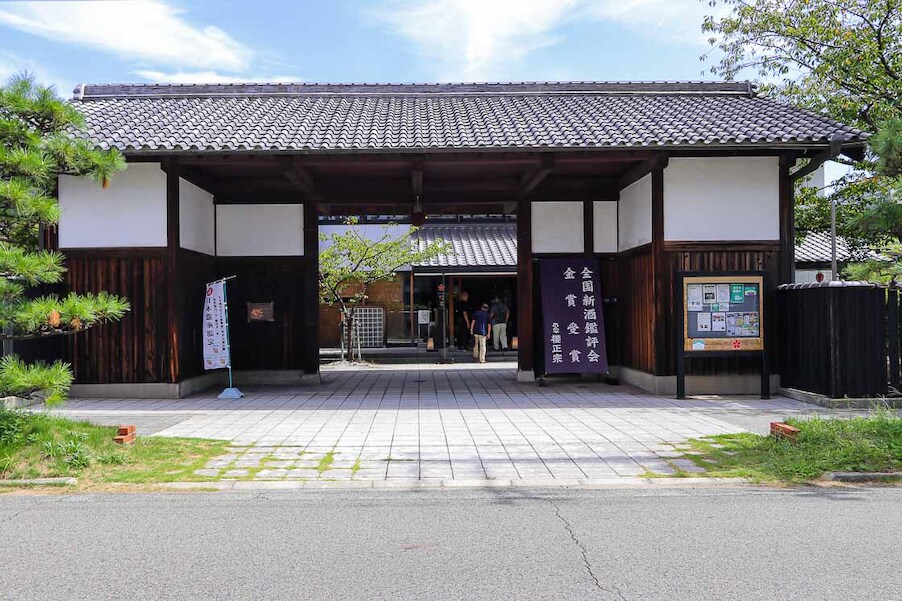
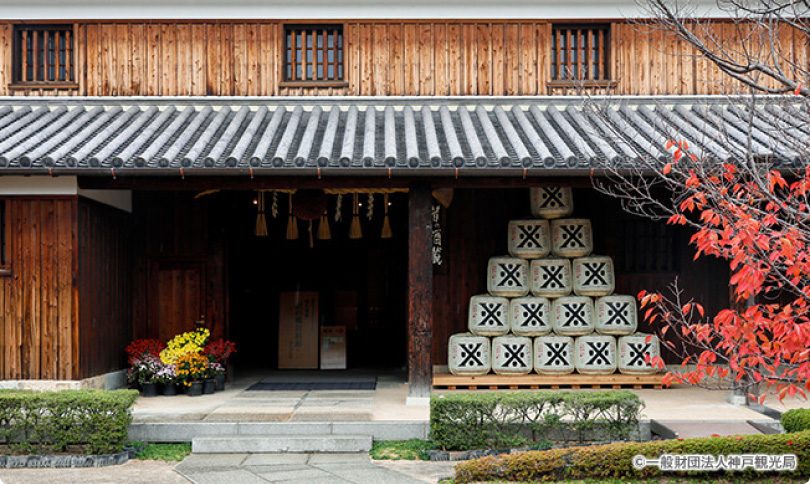
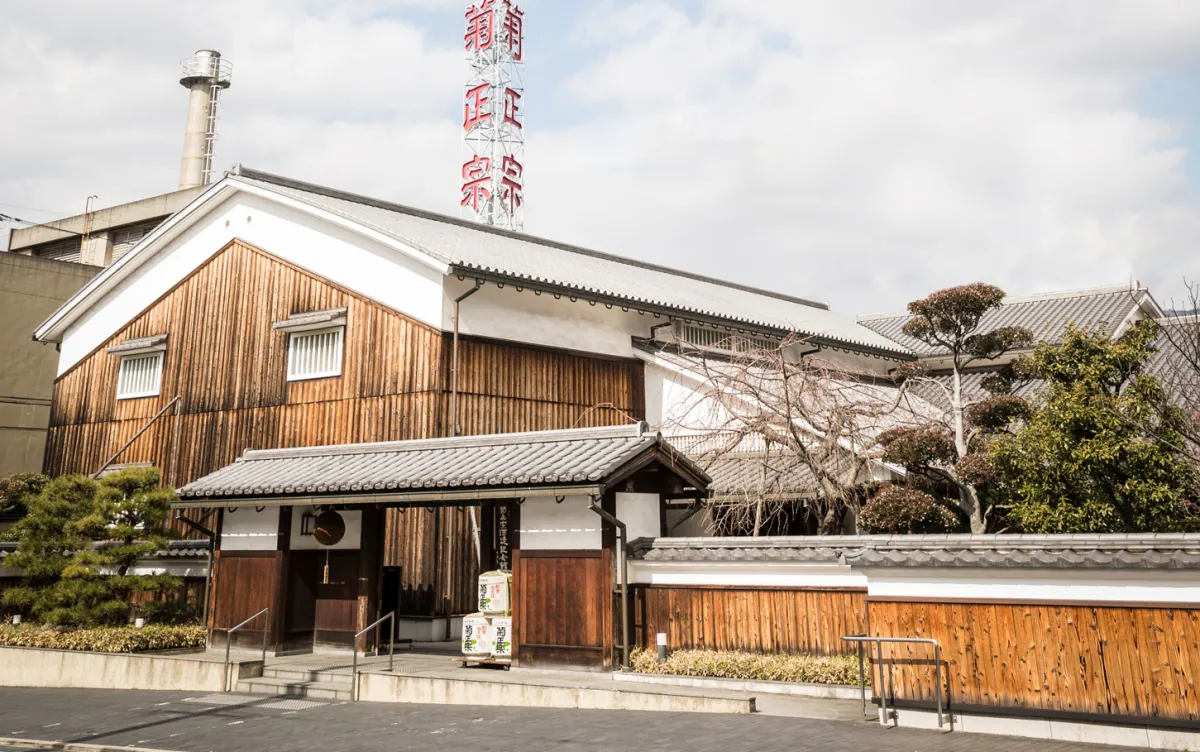
Position yourself at the main gate to capture the traditional wooden architecture and hanging sugidama. This spot effectively frames the entrance for those on a kobe sake tour seeking authentic industrial heritage visuals.
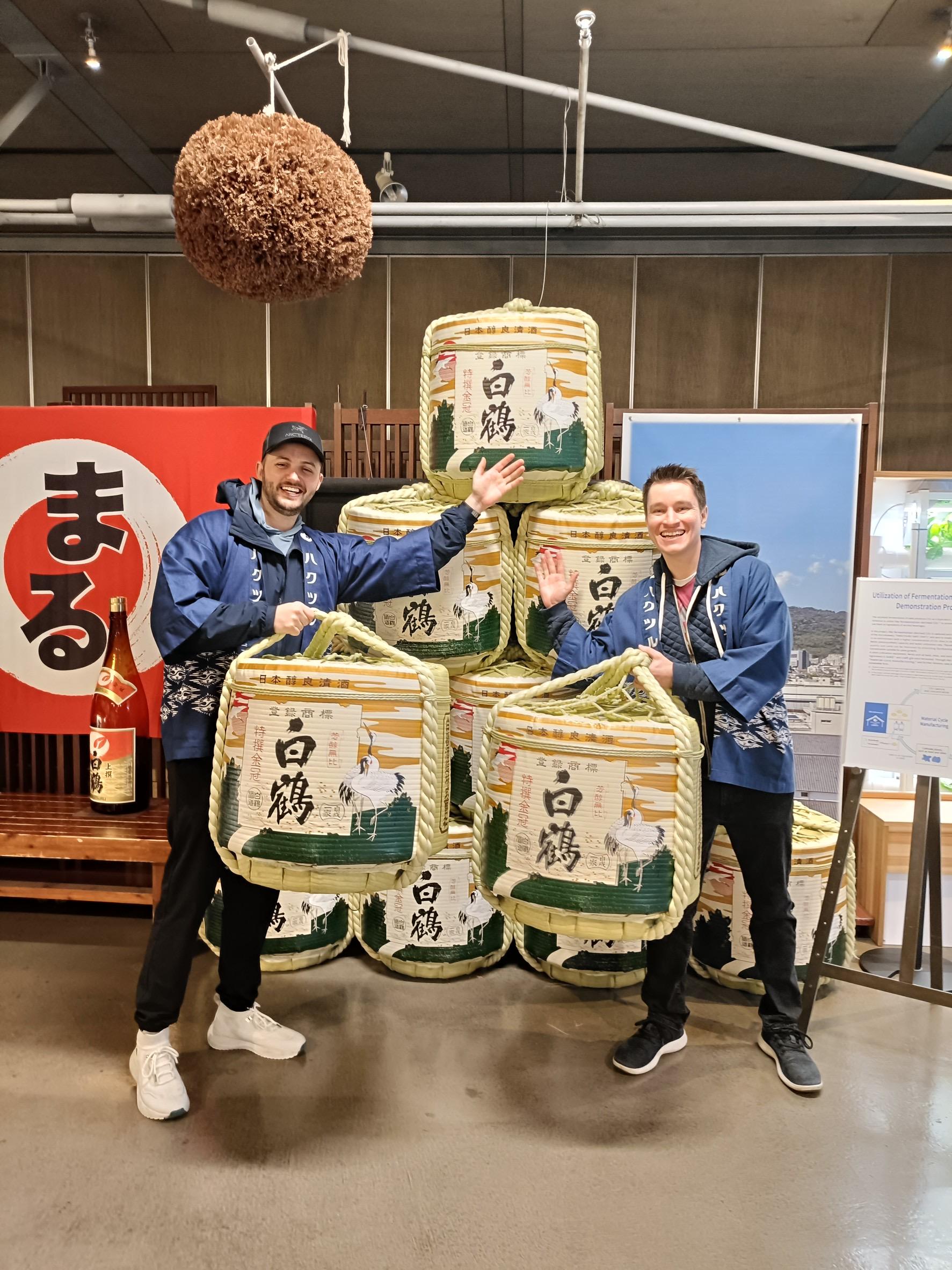
Stand directly in front of the massive cedar sake barrels lined up near the museum courtyard. These kobe sake tour tours provide the classic scale reference for the district's brewing history.
Focus on the restored historic kura storehouse walls that showcase traditional lime plaster techniques. Visitors booking kobe sake tour tickets often find this textured backdrop ideal for architectural photography.
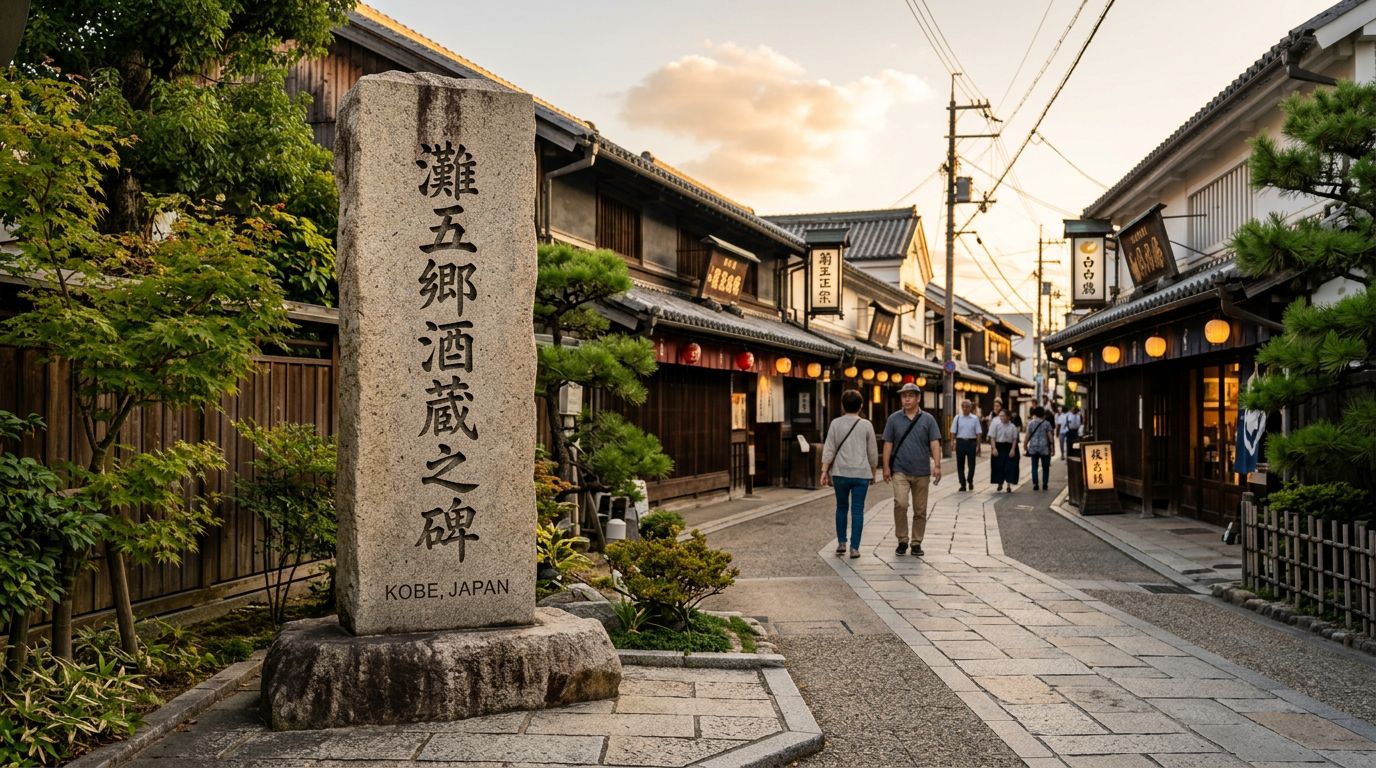
Capture the landmark stone marker identifying the Nada-Gogo region near the main pedestrian thoroughfare. This kobe sake tour tour highlight serves as a definitive location shot for the district.
Visitors embarking on a kobe sake tour will find that many historic breweries offer on-site dining or nearby cafes that pair regional flavors with their fermented rice brews. You can easily integrate these dining spots into your Nada Sake District visit, as many are situated within a short walk of the main museum facilities.
This venue serves traditional Japanese set meals featuring soba and seasonal ingredients that highlight the nuance of local sake. It provides a relaxed environment for those joining kobe sake tour tours who prefer an authentic, sit-down culinary experience.
$10-15
Located nearby, this eatery focuses on dishes specifically crafted to complement refined junmai varieties. It remains a popular choice for travelers participating in a kobe sake tour tour who want to experience regional delicacies like steamed vegetables and fresh sashimi.
Real experiences from real travelers
We joined a kobe sake tour through three historic breweries in the Nada district. The master brewers explained the koji fermentation process and we tasted sake directly from cedar tanks. Each brewery had distinct flavor profiles shaped by the mineral-rich Miyamizu water that flows from Mount Rokko.
The guided sake tour in Kobe revealed how geography shapes flavor. Nada's five sake villages produce nearly thirty percent of Japan's premium sake. Our guide showed us the polishing room where rice grains are milled to sixty percent for ginjo grades. Tasting room comparisons made the technical details tangible.
Spent an afternoon visiting Hakutsuru and Sawanotsuru breweries with a knowledgeable local guide. The combination of mineral water, Yamada Nishiki rice, and cool maritime air creates ideal conditions for slow fermentation. We sampled junmai daiginjo that won gold at the National New Sake Competition.
The kobe sake tour included museum exhibits and tasting sessions at two family-run breweries. We learned that Nada sake tends toward dry, crisp profiles compared to sweeter Fushimi styles from Kyoto. The tasting set at Kiku-Masamune showed five different rice polishing ratios side by side.
Walked through the historic Nada brewing district with small group. The wooden kura storehouses date back to the Edo period when sake shipped from Kobe's port supplied Edo. Modern breweries still use traditional wooden tools for some batches. The contrast between artisan methods and precision temperature control was fascinating.
Our guide on the Kobe sake tour explained how the hard Miyamizu well water contributes minerals that help yeast thrive. We visited cellars where bottles age at controlled temperatures and saw the giant wooden pressing machines. The paired snacks highlighted how different sake styles complement food.
The brewery tour in Nada covered the entire production cycle from rice washing to bottling. We observed workers hand-making koji in a warm, humid room lined with cedar trays. The head brewer shared samples of genshu undiluted sake at eighteen percent alcohol straight from the tank.
Joined a half-day kobe sake tour that visited Hakutsuru Sake Brewery Museum and one active production facility. The museum displays antique brewing tools and explains the toji master brewer system. Tasting included sparkling nigori, aged koshu, and award-winning daiginjo. Staff answered all our questions about serving temperatures.
The Nada district concentrates more than two dozen sake breweries within walkable distance. Our tour guide arranged private tastings at smaller artisan producers not normally open to visitors. We compared nama unpasteurized sake with heat-treated versions to understand how processing affects flavor. The sea breeze and mountain water make this region unique.
Spent four hours exploring three breweries along the sake brewing route in Kobe. Each stop included guided tours of the production floor and curated tastings. The brewers discussed how climate, rice strain, and yeast selection create regional character. We left with bottles of limited-release seasonal sake unavailable outside Japan.
Everything you need to know for your journey
Most museums in the Nada Sake District are open 09:30–16:30. Ensure you plan your kobe sake tour within these hours.
Entrance fee is 0 JPY for major museums. This makes a kobe sake tour a highly affordable cultural experience.
Families are welcome, but tasting is restricted to adults. Please note the age limit when booking a kobe sake tour.
Photography is usually permitted. Check signs at each brewery on your kobe sake tour.
The best arrival window is 09:30–15:00. This avoids mid-afternoon crowds for your kobe sake tour.
Many museums provide barrier-free access. Accessibility is generally good throughout the Nada Sake District for a kobe sake tour.
On-site dining is available. Please avoid bringing outside food during your kobe sake tour.
Use the Hanshin Line to reach the Nada Sake District for your kobe sake tour.
Bring comfortable walking shoes and a small bag for your kobe sake tour.
Features works by Ryohei Koiso, a prominent painter.
Preserves traditional Japanese woodworking tools and techniques.
Showcases diverse art collections in a modern architectural setting.
Range of luxury and mid-range hotels near Sannomiya Station.
Join thousands of happy travelers who have discovered this incredible experience
Book Your Experience Now