

Quick answer
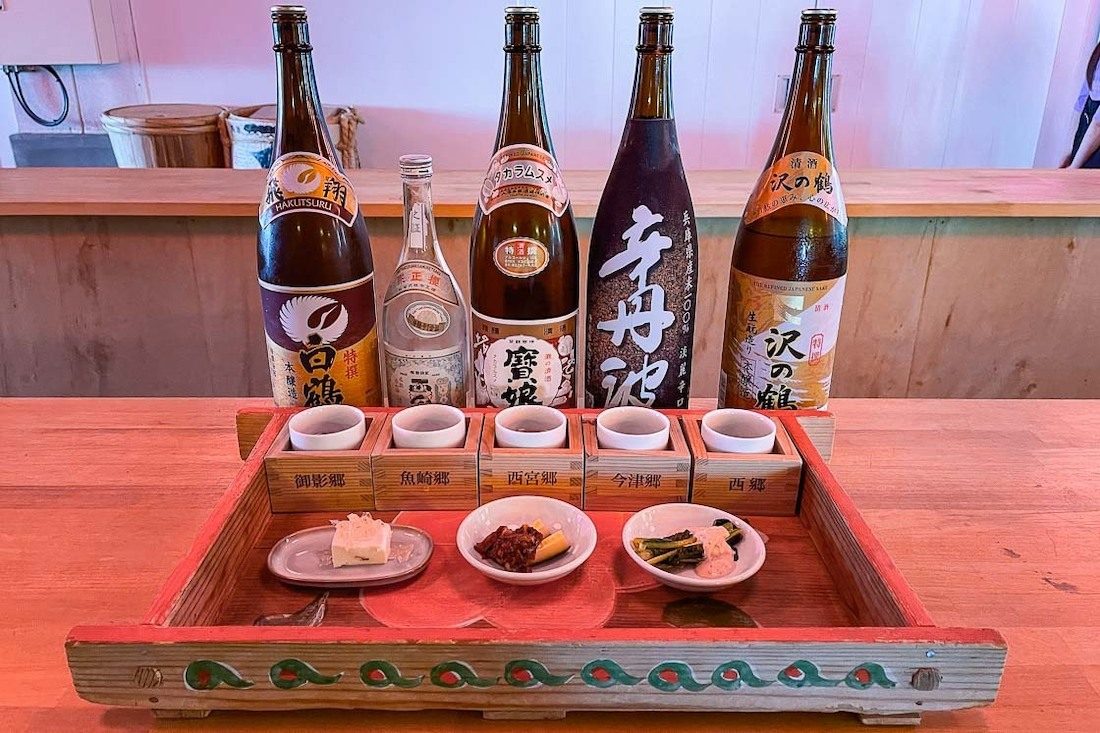
Kobe sake tasting at Nada District breweries follows a structured sensory method: examine clarity and color, assess aroma intensity and character, taste for balance across sweetness, acidity, and umami, then evaluate the finish. Hakutsuru Sake Brewery Museum offers free daily tastings from 09:30 to 16:30, with no reservation required. The experience typically includes three to five sake varieties, poured in small ochoko cups, with staff guidance on proper holding technique and palate-cleansing protocols between samples.
The ochoko—a small ceramic cup holding roughly 30 milliliters—is the standard vessel for sake evaluation in Nada District tasting rooms, and how you hold it matters. Traditional tasting protocol calls for cradling the cup in your palm rather than gripping the rim, which prevents body heat from warming the liquid and allows the sake's intended serving temperature to remain stable. This detail reflects a broader philosophy: sake tasting in Kobe is not casual sampling but a methodical sensory exercise, rooted in the brewers' expectation that visitors will engage with the liquid's structure as seriously as they would a wine flight in Burgundy. The tasting sequence at Nada breweries typically progresses from lighter, more delicate styles—such as junmai ginjo with floral, fruit-forward profiles—to richer, fuller-bodied honjozo or junmai styles that carry more umami weight and grain character. Between pours, staff provide plain water and often a small portion of unsalted crackers or plain rice to reset the palate. The water is not optional; the high alcohol content of undiluted sake (typically 15–16% ABV) and its amino acid density build quickly on the tongue, and skipping the rinse collapses your ability to distinguish subsequent samples. Experienced tasters also exhale gently before raising the cup to smell the aroma—a practice called "kikizake"—to clear the nasal passage and prime the olfactory system for nuanced detection of ginjo-ka (fruity esters) or koji-derived lactic notes. What separates a functional sake tasting from a revelatory one is attention to mouthfeel and finish. Sake's texture—described in Japanese as "kuchi-atari"—ranges from smooth and silky (in highly polished daiginjo) to more viscous and structured (in yamahai or kimoto styles with higher acidity). After swallowing, the finish should be evaluated for length and flavor evolution: does the sake leave a clean, quick fade, or does it linger with persistent rice sweetness or a drying astringency? Staff at Hakutsuru and other Nada breweries often encourage visitors to verbalize these impressions, not for performance but because articulating sensory detail strengthens retention and trains the palate for future comparisons. Tasting is also a window into production philosophy. Nada's "miyamizu" water—mineral-rich groundwater drawn from the Rokko mountain range—contributes a distinct hardness that accelerates fermentation and produces sake with a firm, structured backbone rather than soft roundness. When tasting a Nada sake, that mineral signature often manifests as a subtle salinity or a crisp, almost chalky finish that distinguishes it from the softer, rounder profiles typical of Fushimi (Kyoto) or Niigata styles. Recognizing this regional character is part of what makes Kobe sake tasting a geographically specific experience, not a generic introduction to the category. Visitors frequently ask whether spitting is acceptable. In Nada tasting rooms, the answer is no—swallowing is expected, both as a sign of respect for the brewer's work and because sake's finish is a critical component of evaluation. The cumulative alcohol effect is managed by portion control (each pour is small) and pacing (staff regulate the interval between samples). The result is a tasting experience that rewards focus and deliberate attention, rather than volume or speed.
“Sake tasting in Nada District is not casual sampling but a methodical sensory exercise, rooted in the brewers' expectation that visitors will engage with the liquid's structure as seriously as they would a wine flight in Burgundy.”
The Ritual of Kobe Sake Tasting: A Step-by-Step Sensory Guide
Tasting sake in Nada reveals the delicate balance between rice polishing, fermentation, and water minerality that defines Kobe's brewing legacy. The process takes 10–15 minutes per flight and follows a structured sensory progression.
Pour into the ochoko or guinomi
Fill the small ceramic cup to about 70% capacity, leaving room for the aroma to collect above the liquid. Overfilling traps the bouquet and makes it difficult to swirl without spilling.
Observe the clarity and viscosity
Hold the cup against a white background or natural light to assess color—Nada sake often shows a faint golden tint from the hard brewing water. Tilt the cup gently to see how the liquid clings to the sides, indicating body and alcohol content.
Inhale the aroma in short pulses
Bring the cup close to your nose and take three short sniffs rather than one deep breath. Nada sake typically opens with rice grain, melon, and a faint mineral edge from Rokko mountain water.
Take a small sip and aerate
Draw a small amount onto your tongue and pull air through pursed lips to spread the liquid across your palate. This reveals the umami depth and any fruit or floral notes that emerge mid-palate.
Evaluate the finish and aftertaste
Swallow and notice how long the flavor lingers—Nada styles often leave a clean, dry finish with a slight bitterness that signals high rice polishing. The aftertaste should feel crisp rather than cloying.
Cleanse your palate between samples
Take a sip of plain water and, if provided, a bite of plain rice cracker or pickled vegetable. This resets your taste receptors so each sake registers with full clarity.
Essential Etiquette for Kobe Sake Tasting
Sake tasting in Nada's breweries requires mindful behavior to preserve the delicate aromas and respect the craft. Observing proper etiquette ensures an optimal experience for all visitors.
Do
- Hold tasting glasses by the stem to avoid warming the sake
- Rinse your palate with water between different sake varieties
- Ask staff questions about brewing methods and flavor profiles
- Arrive with a neutral scent to preserve tasting conditions
- Observe the sake's color and clarity before tasting
- Take small sips to appreciate the layered flavors
Don't
- Wear strong perfumes or colognes that interfere with aromas
- Rush through tastings without pausing between samples
- Touch the rim of shared tasting vessels
- Drink sake intended for swirling and examination
- Speak loudly in tasting rooms where others are concentrating
- Skip the museum exhibits before entering the tasting area
Best Time for Kobe Sake Tasting to Avoid Crowds
The best arrival window is 09:30–16:00, with morning visits providing the most quiet, attentive environment for exploring the Nada Sake District. Arriving early avoids potential afternoon crowds and ensures enough time for the full museum tour.
Weekday mornings
Minimal—
Visitors encounter fewer tour groups and more personal attention from staff during these hours.
Spring (April–May)
ModerateMild (15°C–22°C)
Pleasant walking weather complements the outdoor stroll between different breweries in the Nada district.
Autumn (October–November)
ModerateCool (12°C–20°C)
Crisp air is ideal for exploring the district and participating in tasting sessions throughout the day.
Verdict: Tuesday to Thursday, arriving at 09:30, during April or October offers the most balanced and quiet experience.
Opening Hours for Your Kobe Sake Tasting Visit
The facility is open daily to accommodate visitors planning their exploration of the Nada Sake District. Please use the schedule below to coordinate your visit.
| Monday | 09:30–16:30 | |
|---|---|---|
| Tuesday | 09:30–16:30 | |
| Wednesday | 09:30–16:30 | |
| Thursday | 09:30–16:30 | |
| Friday | 09:30–16:30 | |
| Saturday | 09:30–16:30 | |
| Sunday | 09:30–16:30 |
Kobe Sake Tasting Entrance Fees and Costs
The Hakutsuru Sake Brewery Museum provides open access to its facilities for all visitors. There are no charges required to enter or participate in the standard museum experience.
A typical adult pays 0 JPY for entry, as all standard museum access is provided free of charge.
Check availability
Frequently asked questions about kobe sake tasting
Everything you need to know about kobe sake tasting