

Quick answer
Hakutsuru Sake Brewery Museum operates daily from 10:00 to 18:00 with free admission at 1-8-17 Mikagetsuka, Higashinada-ku. The facility demonstrates traditional brewing methods through preserved equipment and offers complimentary tastings of the current lineup. Arrive between 10:00 and 17:00 to complete the self-guided tour and sample multiple varieties before the tasting counter closes.
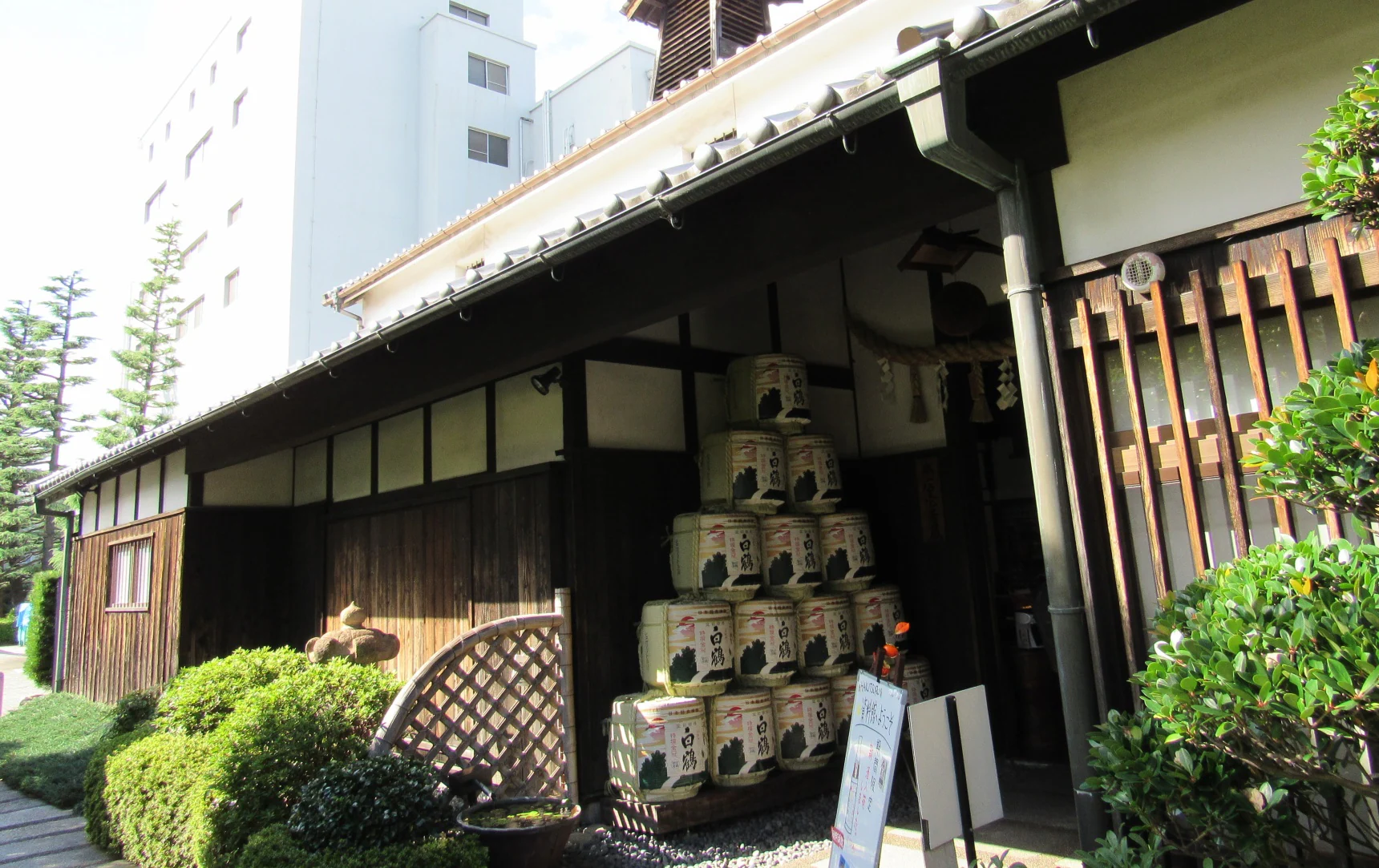
Nada's brewing district produces nearly thirty percent of Japan's sake output, a dominance rooted in three natural advantages: Rokko mountain spring water, Tamba rice paddies, and coastal winter winds that stabilize fermentation temperatures. The concentration of breweries within a five-kilometer coastal strip makes Nada the only sake region where visitors can tour multiple production sites on foot. Hakutsuru Sake Brewery Museum anchors the eastern end of the district in a reconstructed wooden brewhouse from the Meiji era. The museum preserves the tools and timber frameworks of traditional production—cedar fermentation tanks, rice-polishing stones, and the rope-and-pulley systems that moved hundred-kilogram rice bales between floors. Audio guides in six languages explain each production stage, from koji mold cultivation to pasteurization. The adjoining tasting room pours eight to twelve varieties at no charge, rotating through seasonal and limited releases that rarely reach export markets. West of Hakutsuru, the Nada Gogo district clusters six breweries within walking distance of Hanshin Uozaki Station. Sawanotsuru and Kiku-Masamune maintain visitor centers with short films on modern brewing automation, while smaller operations like Kobe Shushinkan occupy family compounds where production and sales happen under the same roof. Each kobe sake brewery maintains different visitor policies—some require advance booking for guided tours, others operate walk-in tasting bars, and a few restrict access to retail-only showrooms. The district's layout favors self-directed itineraries. Most breweries open mid-morning and close by early evening, allowing visitors to cover three to four sites in a half-day circuit. Signage remains minimal between brewhouses, so securing a detailed map before starting prevents backtracking through industrial blocks. The museum format at Hakutsuru provides the brewing-process education that smaller tasting rooms assume visitors already possess, making it the logical first stop for anyone unfamiliar with sake production terminology.
“Nada's coastal geography created the only sake region where winter sea winds naturally regulate fermentation temperatures, eliminating the need for artificial cooling systems until the twentieth century.”
Kobe Sake Brewery Opening Hours for Your Visit
The Kobe Sake Brewery maintains consistent operating hours throughout the week to facilitate visitor planning. The facility is open daily to accommodate guests.
| Monday | 10:00–18:00 | |
|---|---|---|
| Tuesday | 10:00–18:00 | |
| Wednesday | 10:00–18:00 | |
| Thursday | 10:00–18:00 | |
| Friday | 10:00–18:00 | |
| Saturday | 10:00–18:00 | |
| Sunday | 10:00–18:00 |
Entrance Fee for a Kobe Sake Brewery Experience
Most traditional brewery facilities in the Nada Sake District provide free access to their main exhibition halls and public tasting areas. Admission costs typically only apply to specialized workshops or private guided experiences arranged in advance.
A typical adult pays 0 JPY for general entry, with costs only incurred if booking a private tour or premium tasting session.
Best Arrival Window for a Kobe Sake Brewery Tour
The best arrival window for a Kobe sake brewery tour is 10:00–17:00, which allows visitors to avoid peak crowd spikes and provides sufficient time for tours and tastings. Planning your arrival early in the day ensures a quieter, more comprehensive experience.
Weekday mornings
Minimal crowds—
These hours offer the most peaceful atmosphere for exploring the facilities.
January to March
Moderate crowdsCold, 5–10°C
This period aligns with the peak sake brewing season known as kan-zukuri.
April and October
Moderate crowdsMild, 15–20°C
Moderate temperatures provide comfortable conditions for walking between various district breweries.
Weekend afternoons
Heavy crowds—
Expect higher visitor numbers and potential wait times for tastings and facility tours.
Verdict: For the quietest experience, plan your visit from Tuesday to Thursday, arriving at 10:00 during the months of April or October.
Directions and Logistics for a Kobe Sake Brewery Visit
The Nada Sake District is located in Kobe, accessible via regional rail and bus networks. The Kobe Shushinkan brewery, situated at 1-8-17 Mikagetsuka, Higashinada-ku, Kobe, Hyogo 658-0044, Japan, serves as a primary hub for visitors.
Hanshin Main Line to Mikage Station
From Hanshin Mikage Station to brewery
From JR Sumiyoshi Station
A Sample Itinerary for Visiting a Kobe Sake Brewery
This half-day plan suits visitors who want to explore the brewing process and sample local sake without rushing. Expect to spend 2–3 hours on-site, including tours and tasting sessions.
Arrive at Shushinkan
Enter the museum to begin your self-guided tour through the historic brewing exhibits. Allow 30–40 minutes to walk through the main display halls at a comfortable pace.
Explore the Brewing Process Displays
Study the traditional tools and fermentation tanks that illustrate each stage of sake production. Interactive panels and preserved equipment offer insight into centuries-old methods.
Join a Guided Brewery Tour
If available, participate in a scheduled walk-through led by brewery staff. Tours typically last 20–30 minutes and include behind-the-scenes access to active production areas.
Visit the Tasting Counter
Sample a curated selection of the brewery's signature labels at the on-site tasting bar. Staff can recommend pairings and explain flavor profiles for each variety.
Browse the Gift Shop
Pick up bottles, sake sets, or local snacks before you leave. The shop stocks exclusive releases not widely available outside the district.
Key Features and Sights at a Kobe Sake Brewery
Exploring a Kobe sake brewery reveals the intersection of traditional craftsmanship and modern production. Visitors can navigate through preserved brewing artifacts and dedicated spaces designed for sensory evaluation of sake.
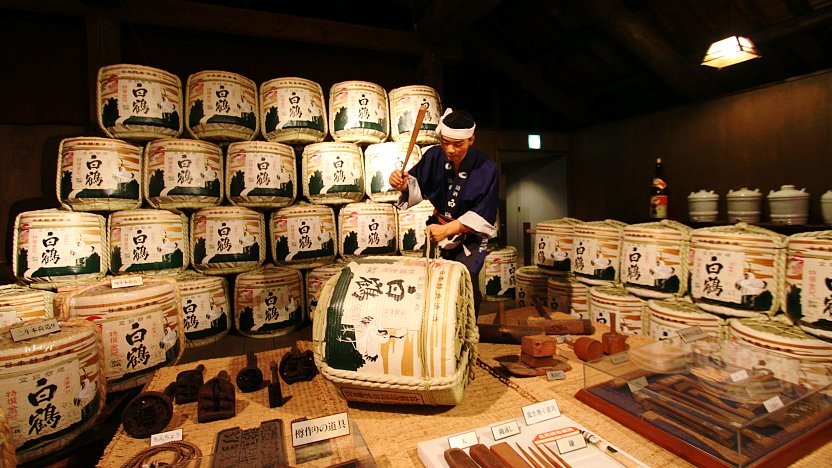
Brewery Museum
Displays traditional wooden tools and cedar barrels formerly used in the sake-making process. Observe the historical koshiki steaming vessels to understand early production methods.
View tools from the balcony to see full scale.
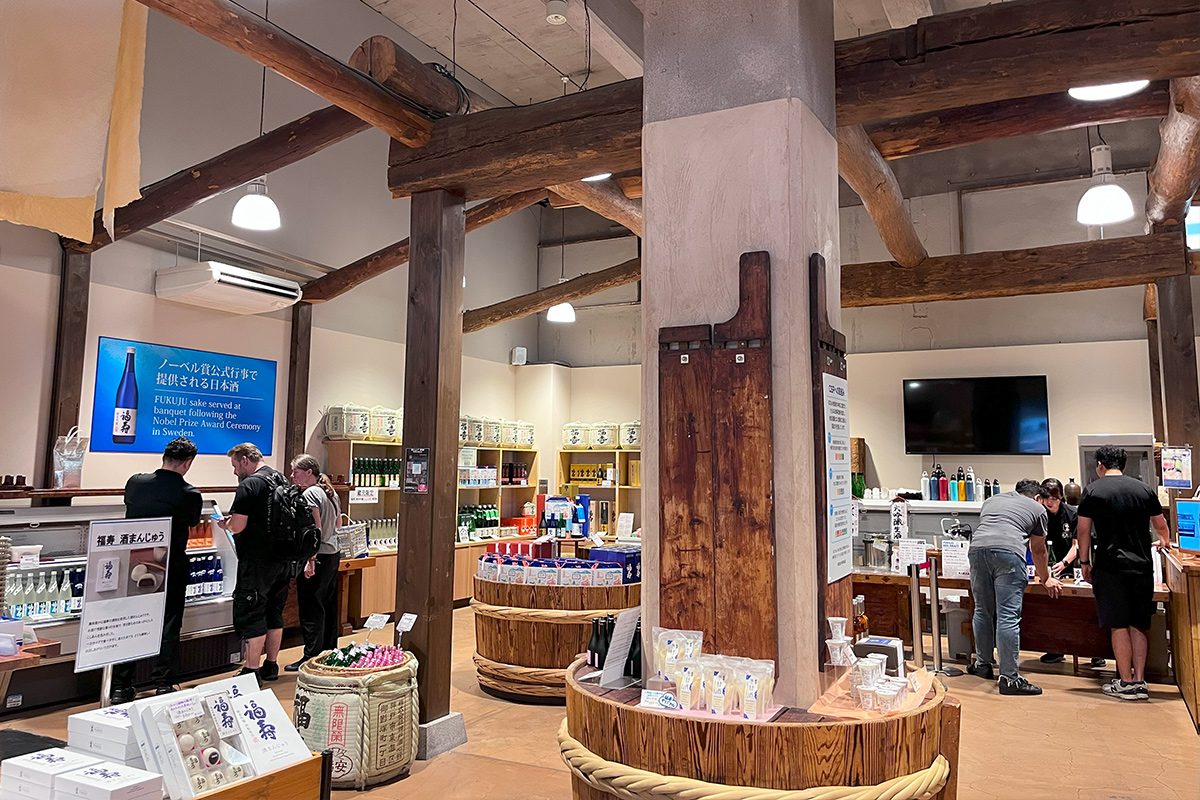
Tasting Gallery
Features a bar area for sampling various junmai and ginjo sake profiles. Look for the seasonal selections often available for direct tasting.
Ask staff for flavor profiles before choosing samples.
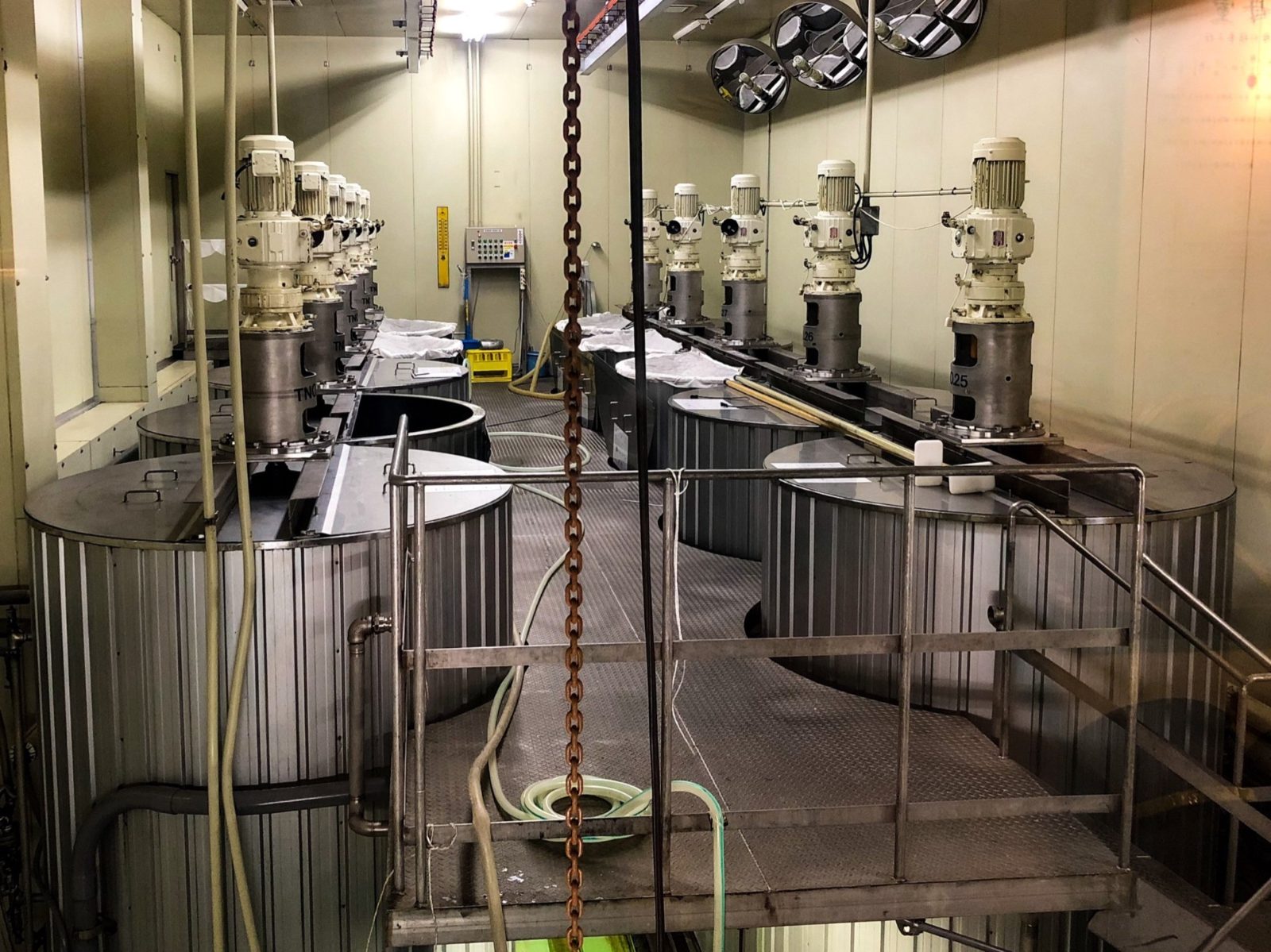
Sake Press Room
Houses contemporary automated pressing equipment used to separate sake from rice solids. The contrast between stainless steel tanks and traditional architecture highlights industrial evolution.
Position yourself near the glass partition for clear views.
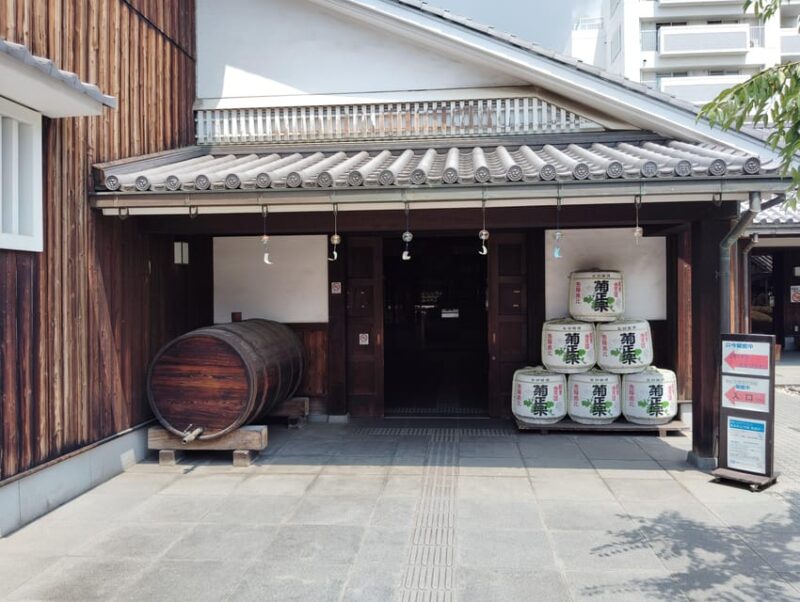
Brewery Courtyard
A quiet exterior zone often featuring decorative sake barrels known as kagamibiraki. This area connects different wings of the brewery complex.
Visit during the morning light for better photography.
Check availability
Frequently asked questions about Kobe sake brewery visits
Everything you need to know about kobe sake brewery